Cobbles Kitchen & Deli: a birthday, brunch and the hard bagel?

Back when September was reigning and the sun was still shining (rather than setting at 5:30) we took a trip to the wonderful Ogmore-by-sea. It was my legendary mum a.k.a. Gale’s birthday.  With the family and new puppy in tow we walked to build up an appetite for the hotly anticipated day’s brunch at Cobbles Kitchen & Deli, Ogmore Road. 

After Beatrix (our Welsh collie pup’s) first tentative foray into the waves of the wild Welsh sea and the dipping of paws into the mysteries of the rock pools, we drove the short distance from the beach to the restaurant. As soon as we arrived we felt significantly at ease due to the number of COVID measures in place like a one-way system, mask wearing, hand sanitiser stations and bookings only. In a little section of the converted barn with white washed walls set with strings of fairy lights, draping plants and wicker accessories, we were seated comfortably at stylish industrial style metal chairs. We set about on deciding what to order; it was time to answer the age-old brunch question: to egg or not to egg?

As an egg sceptic myself (cue the hot take haters), it was rather an easy task to choose one of their lunch dishes and it didn’t take me long to spy their Cobbles Gyros, a cheeky flatbread topped with an assortment of veggies with the addition of panko bread crumb chicken (because who isn’t obsessed with topping everything with forms of crispy deep-fried chicken?). 

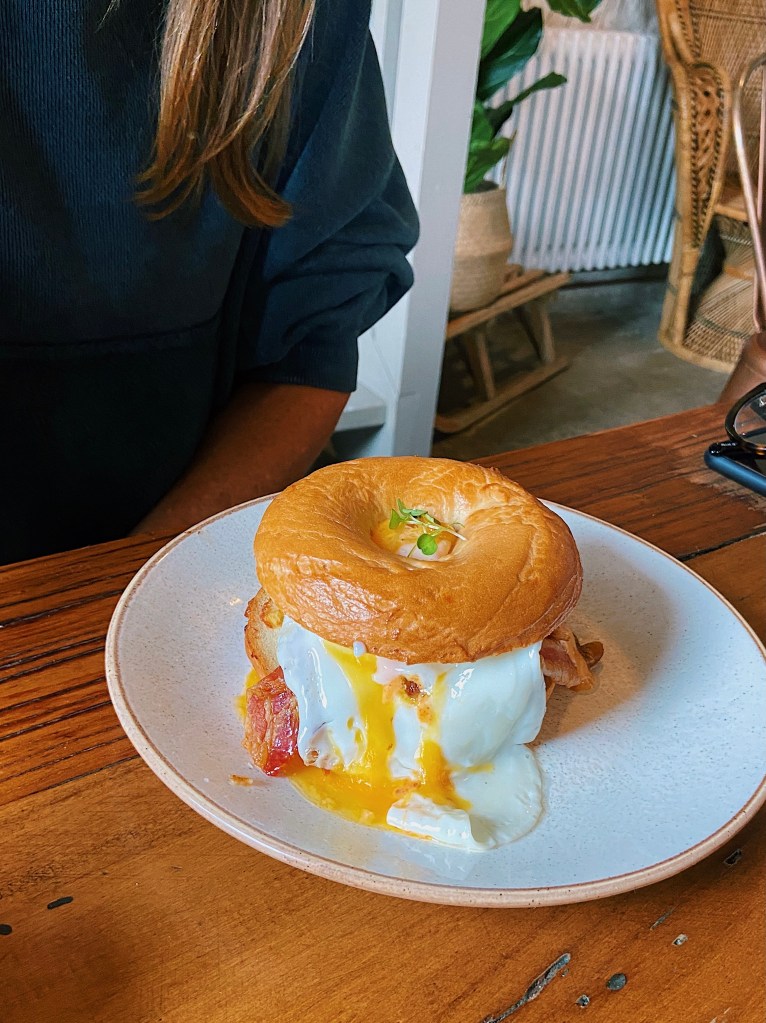
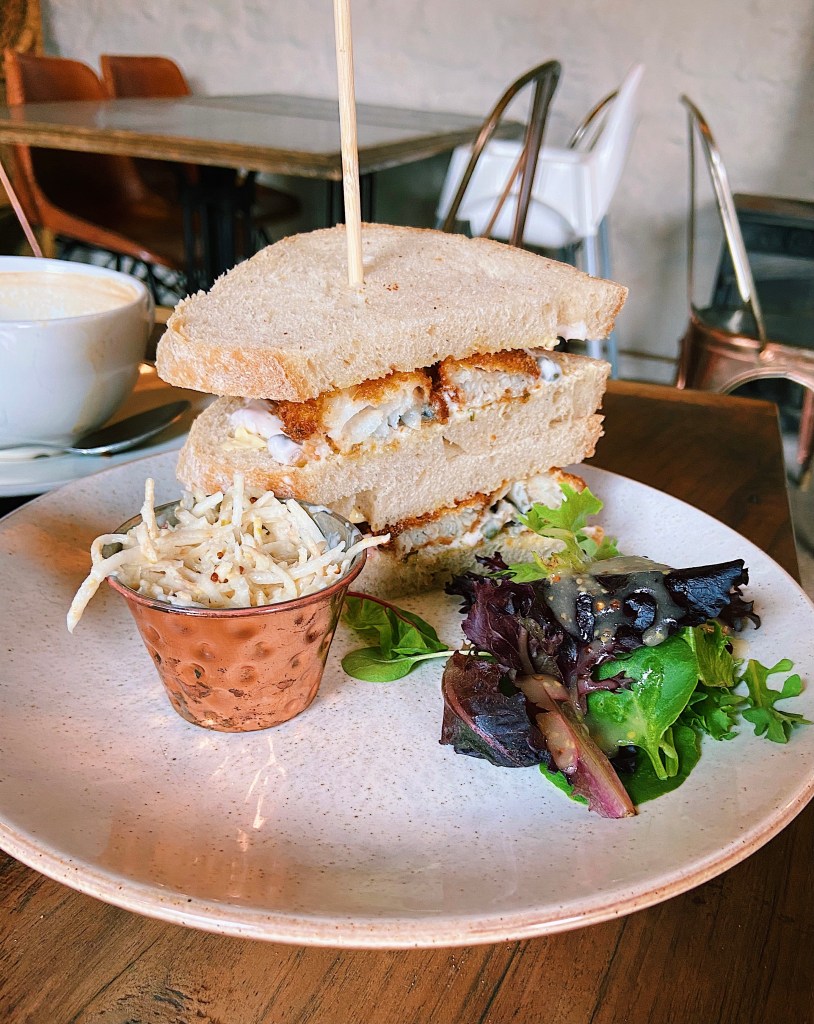
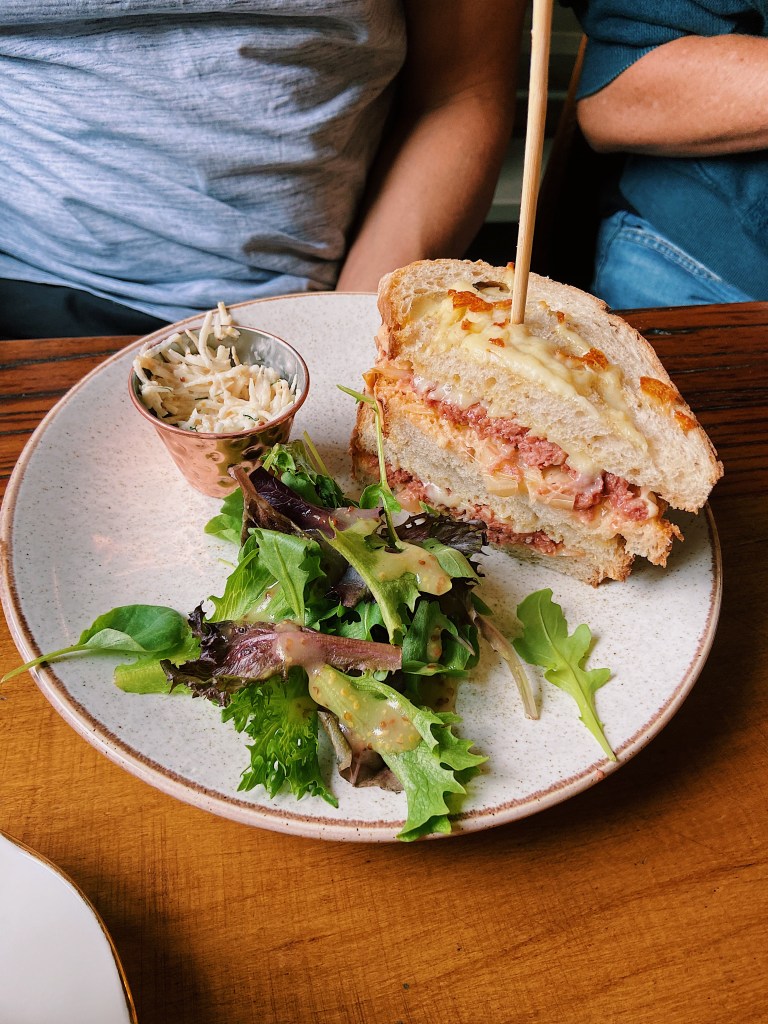
The birthday gal ended up choosing a delicious sounding breakfast bagel topped with bacon, fried egg, grilled tomato and leek and cheddar hash while the boys took a trip to sandwich city; dad opting for the American classic, the Reuben, and the brosky taking a punt on the British classic fish finger sandwich. Obviously, side dishes could not be avoided and so onion rings and chunky chips would be accompanying our assortment of bread related mains. While we waited we sipped on some coffees, trying to stop Bea from bolting in excitement and taking the table with her. 
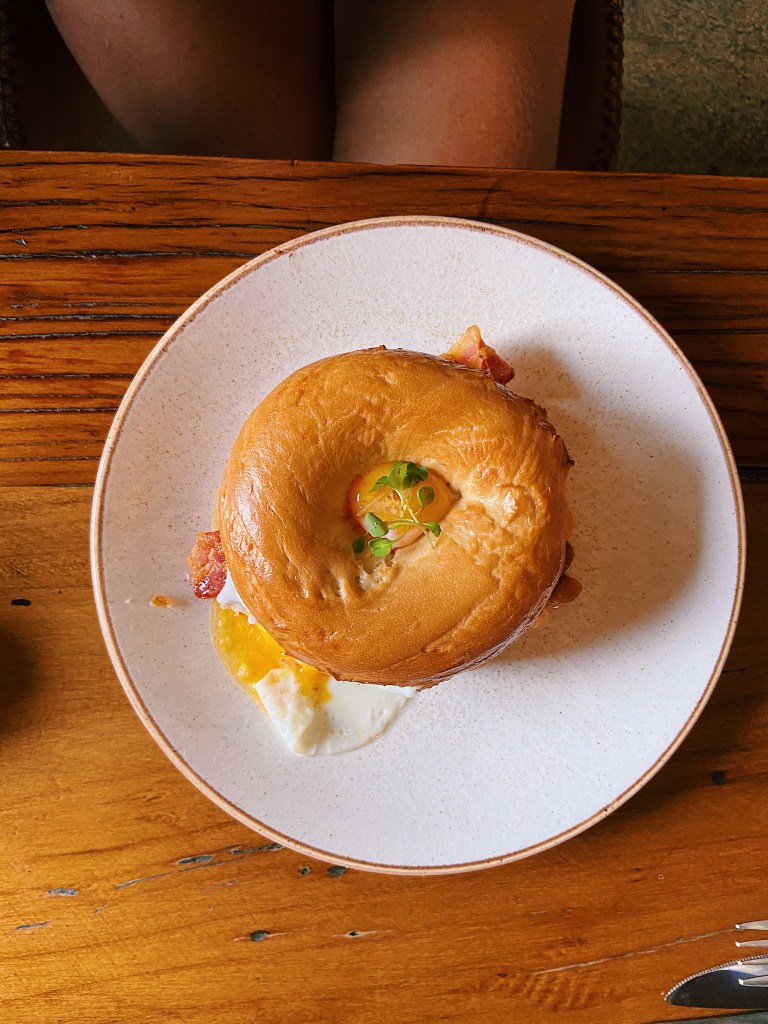
When the food arrived, our eyes lit up and the growls of our stomachs intensified. The breakfast bagel looked particularly inviting with shards of crispy bacon peeking out and that egg yolk popping through the bagel hole like sunshine through a gap in the clouds. A surprising description from an egg sceptic but it’s not the egg yolk I have an issue with but the rubbery bland horror that is cooked egg white (a topic for another time perhaps). The sandwiches were stacked high with filling, a welcome sight, and my crispy chicken looked a golden delight atop a mass of vibrant vegetables and sauces. Time to dig in.

But, alas, this proved slightly more difficult than anticipated. A literal dig commenced for Gale to take her first bite, her knife and fork seemingly no match for what was potentially the hardest bagel known to man. While the flavour of the breakfast bagel was lovely and the hash and tomato concocted to make a tasty mouthful, it is safe to say that the great bagel excavation of 2020 put rather a dampener on such a promising dish.

While mum battled on with her bagel I was attempting to enjoy the most heavily laden flatbread I had ever seen. The vegetables, salad and sauce may have looked vibrant and inviting but a lack of seasoning unfortunately made for a pretty bland taste. What was supposed to be barbecue aubergine was mushy, the tzatziki and oregano tomato sauce was rather a tin of tomatoes, the shoe string fries were pale and limp and the tomato, cucumber and lettuce salad was well just that, chopped tomato, cucumber and some shredded lettuce. I hoped the chicken would be the wrap’s knight in shining breadcrumb and while it was moist inside with a crispy coating, again it lacked seasoning. The flatbread itself however was soft and fluffy and a smattering of pickle did help lift the pallet with some inspiring bursts of savoury vinegary goodness. Another promising dish but the iconic duo of salt and pepper were greatly needed to push it (get it) towards a tasty reality. 
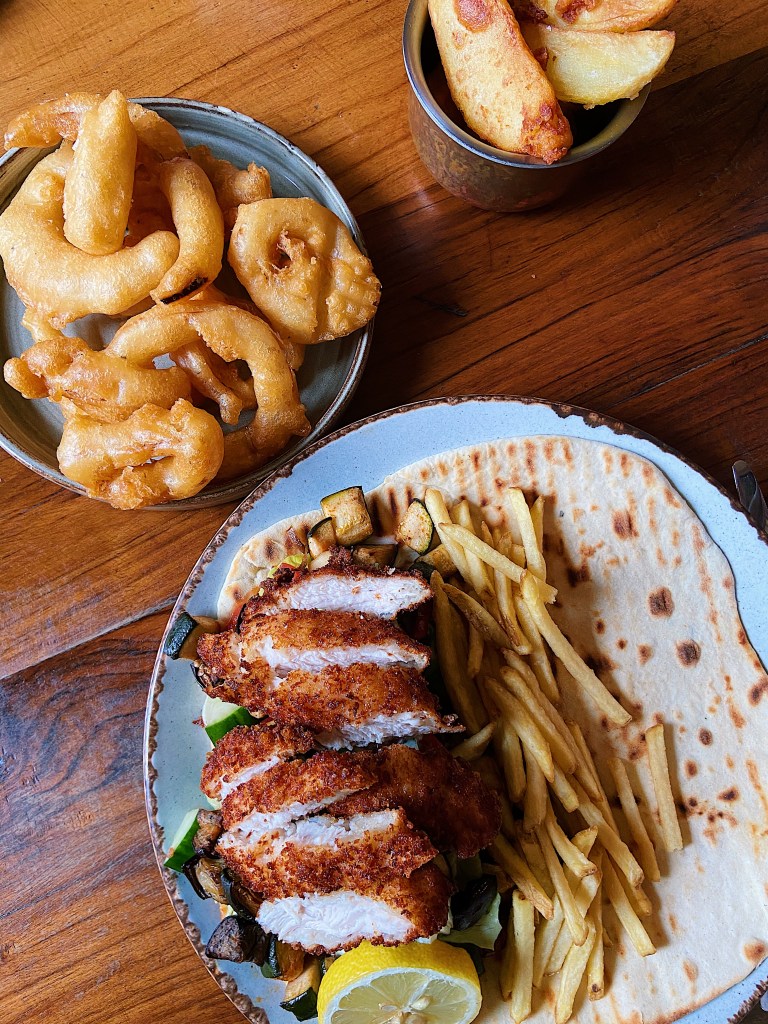
Over in sandwich city however the boys were having a whale of a time, living it up with their Reuben and fish finger sandwiches. The toppings were piled sky high and for good reason as they were tasty as hell (sang in Lizzo tones only please). The beautiful slow cooked brisket was luxuriously coated with a blanket of melted cheddar. Having fallen foul of a lack of seasoning in the Cobbles Gyros, the usual suspect of fried white fish was seasoned, beautifully flaky and delicate with a whack of creamy mayo. The side dishes were also another highlight, their onion rings crisp, sweet and golden and their chips chunky and fluffy.

That September day’s Cobbles Kitchen & Deli outing was a tale of two halves: the first of sweet surroundings but hard bagels and bland gyros; the second of soaring seasoned sandwiches and sides. The kitchen and deli is a wonderful setting on the way to a beautiful beach with some great looking food and even better tasting sarnies. I’d definitely return to give their more traditional breakfast offerings a go or perhaps even a roast dinner, but make sure not to get sucked in by the promise of a gyros (even if it is topped with fried chicken).
Pieces from the Pantry .4

Sweetcorn

While it is fair to say that lockdown has eased considerably since my last Pieces from the Pantry instalment, that doesn’t mean that we shouldn’t still be trying to use the food we already have tucked away in our cupboards. Whether you want to discourage waste or be creative with timeless tinned ingredients here is my offering of inspiration to anyone who looks blankly into their pantry. 

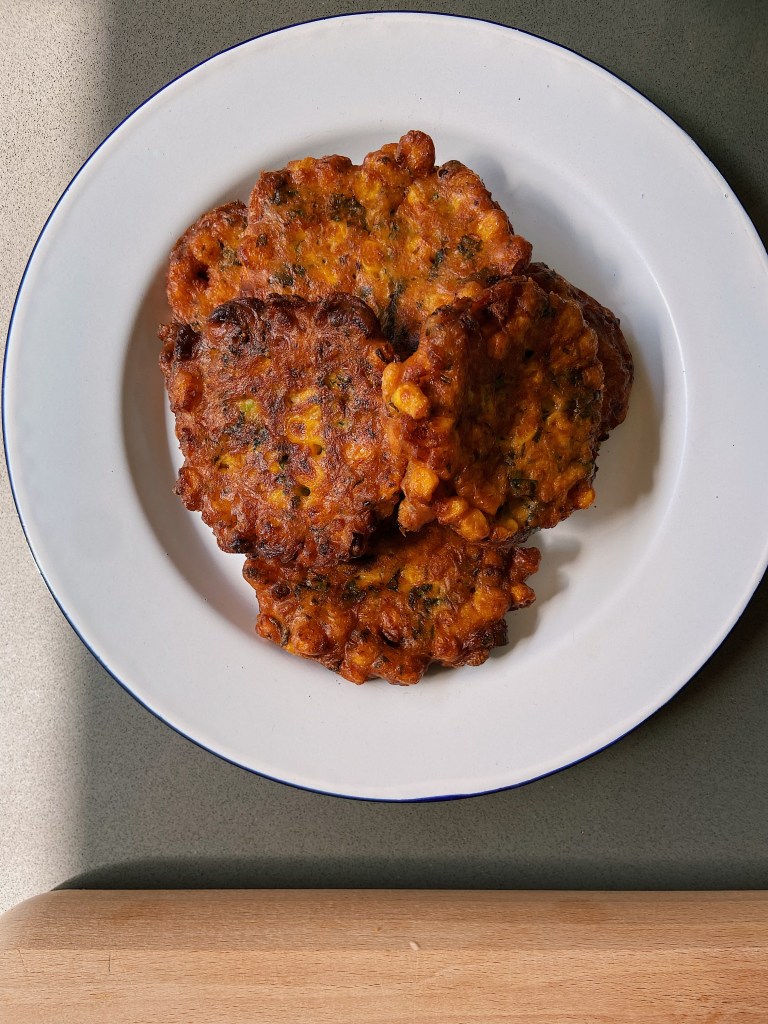
This time our all too familiar store cupboard staple is the humble tin of sweetcorn. Dispel the images of tuna and sweetcorn sandwiches conjured in your mind’s eye (even though it is the best sandwich filling, fight me) and picture this… sweetcorn fritters. A delicacy likely originating from Central America it has travelled all the way through time and across continents to the brunch tables of just about any self-respecting high-end café of today; see your Lounges or your BTP’s (Boston Tea Party for anyone unfamiliar with this wholesome café brand). While, at these cafés the fritter may be a vessel for a whole host of vegetables like courgette or carrot, in my kitchen tinned sweetcorn is king; it offers the perfect bite and burst of sweetness to a savoury brunch offering.
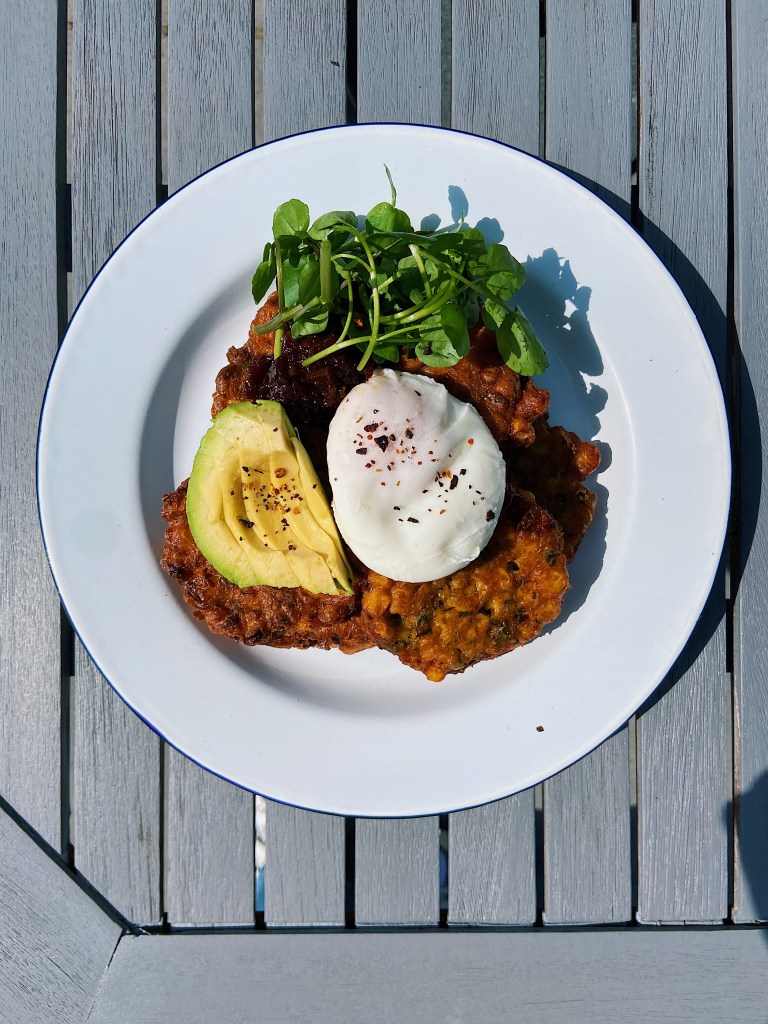
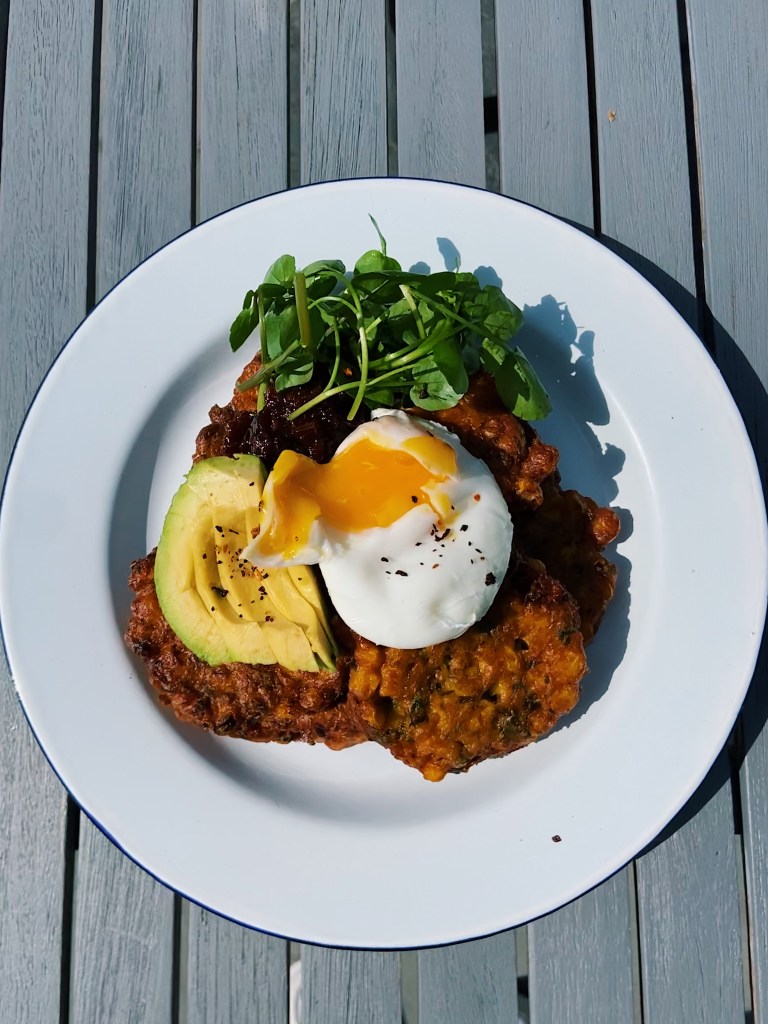
Now, it can be the crowning glory of your own stay at home brunch plate with my original recipe for sweetcorn fritters with poached eggs, tomato chilli chutney and avocado below. While the tomato chilli chutney was bought, everything else is made fresh and will truly satiate the appetite of any savoury breakfast lover. This one is completely open to interpretation vis-a-vis toppings, so if you feel like adorning this golden treasure trove of fritters with some crispy bacon or feta cheese then go for it. The world (or whatever’s in the fridge) is your oyster.  

If you’re hungover and in need of a quick late morning foodie fix or are itching to enjoy the last sunny Sunday mornings we’ll see for a while with an al fresco breakfast feast then give these bad boys a try. They are quick and easy to make with only a slight element of danger involved (shallow frying in hot fat so be careful). Tip: don’t make the fritters too big and make sure the oil isn’t too hot as you want them to cook all the way through and not burn on the outside. 

Sweetcorn fritters with poached eggs, tomato chilli chutney and avocado

Serves 2

Ingredients

  • 198g tin of sweetcorn
  • 2 spring onions, sliced
  • Large handful fresh coriander, finely chopped
  • 60g self-raising flour, sieved
  • ¾ tsp paprika 
  • 60ml milk
  • 3 eggs (1 beaten, 2 for poaching)
  • Avocado, sliced
  • Tomato chilli chutney 
  • Salad leaves (I used watercress)
  • Chipotle chilli flakes (optional)
  • Salt
  • Pepper
  • Sunflower oil (enough for shallow frying)

Method

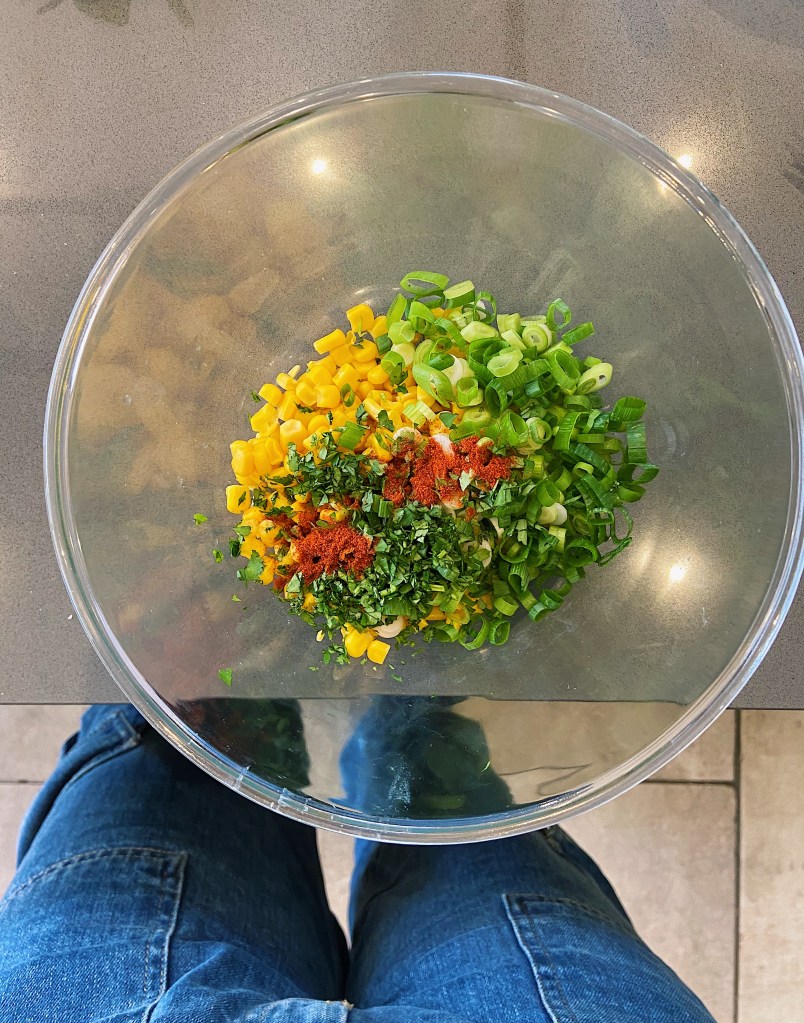
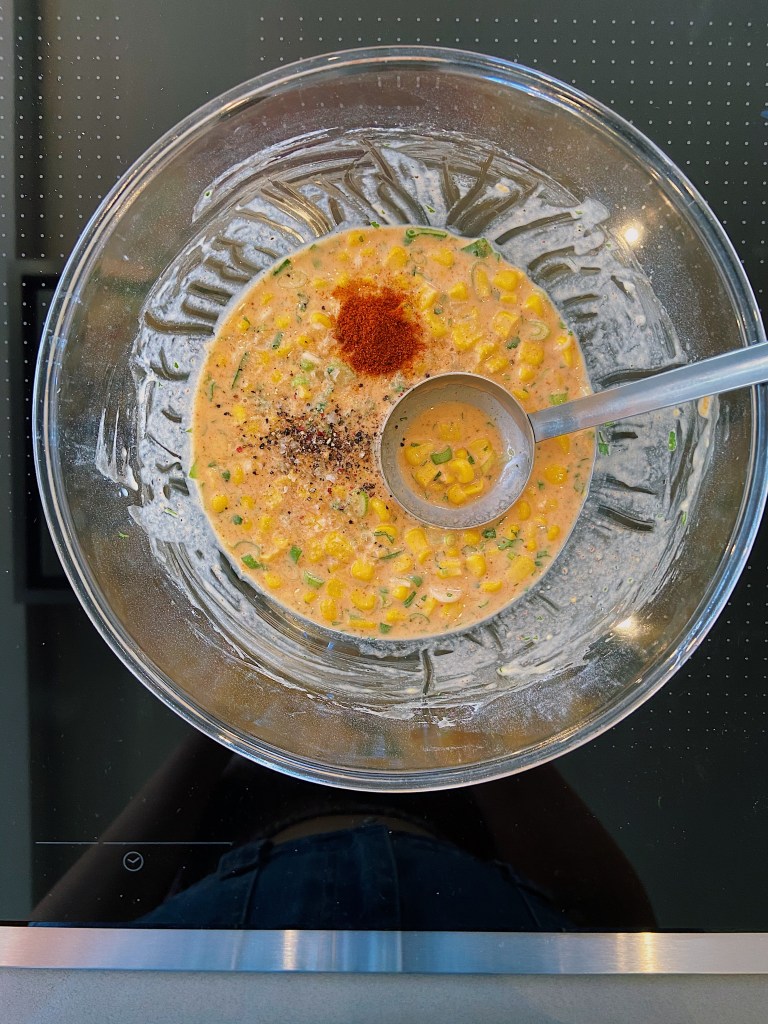
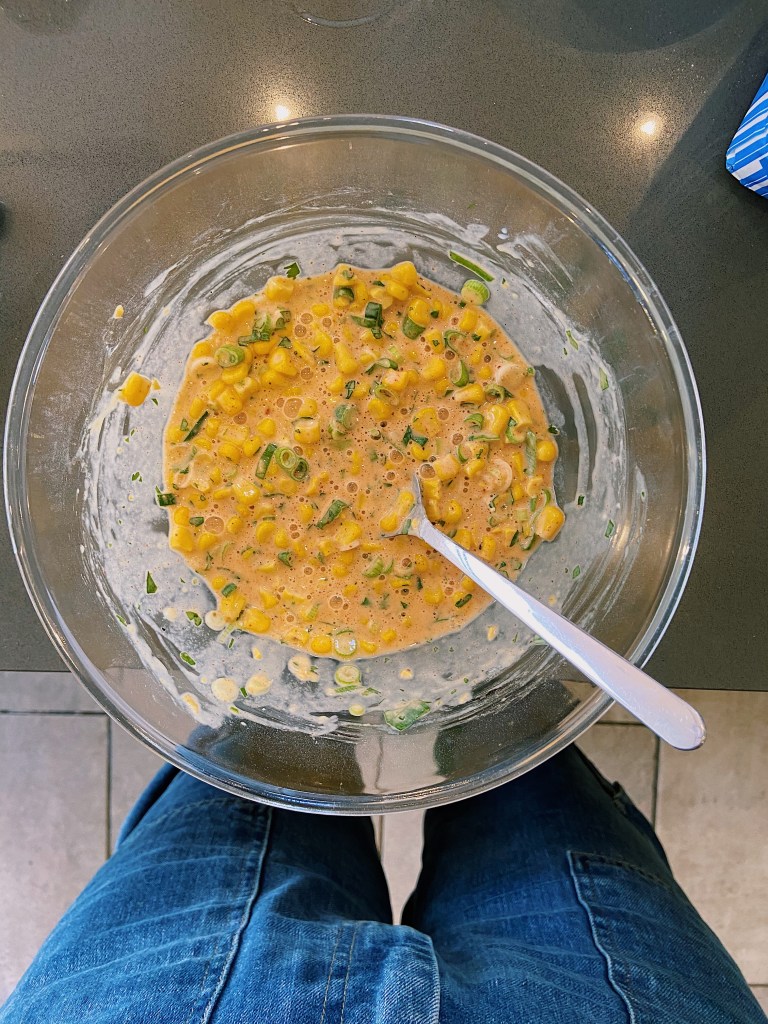
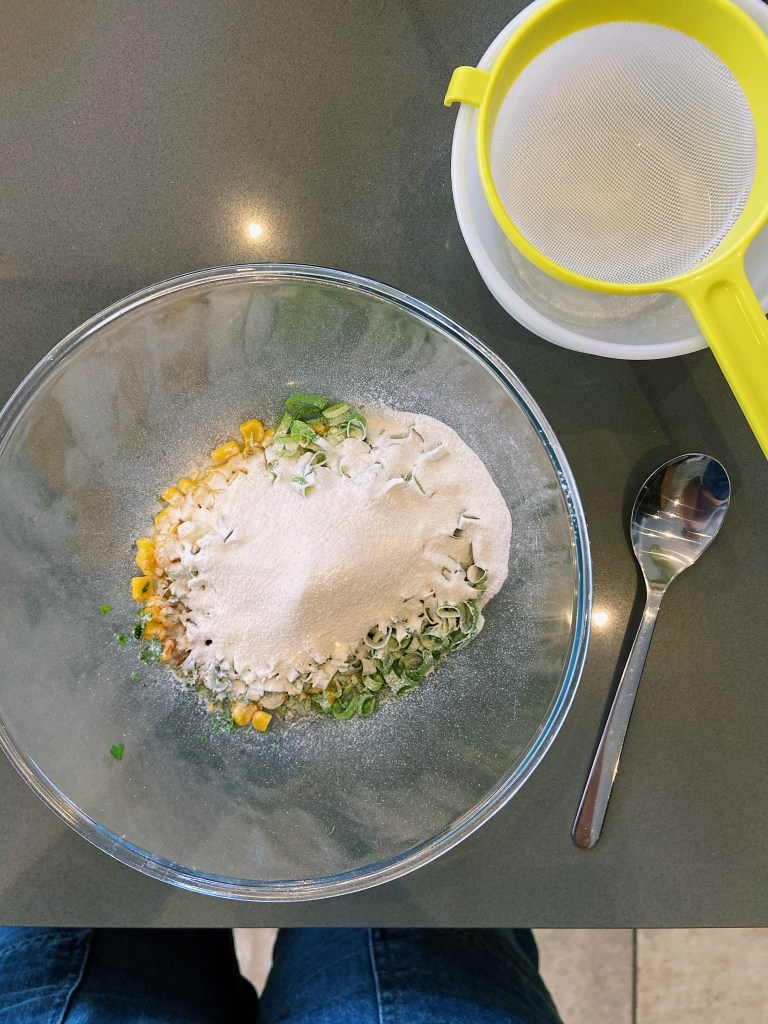
  1. Combine the sweetcorn, spring onion, coriander, self-raising flour, paprika, milk and egg in a bowl along with a generous pinch of salt and pepper to season. 
  2. Heat enough oil to just come up the sides of a small frying pan on a medium high heat. To test if the oil is hot enough either drop a small amount of batter or a small piece of bread into the pan, it should start to sizzle immediately. 
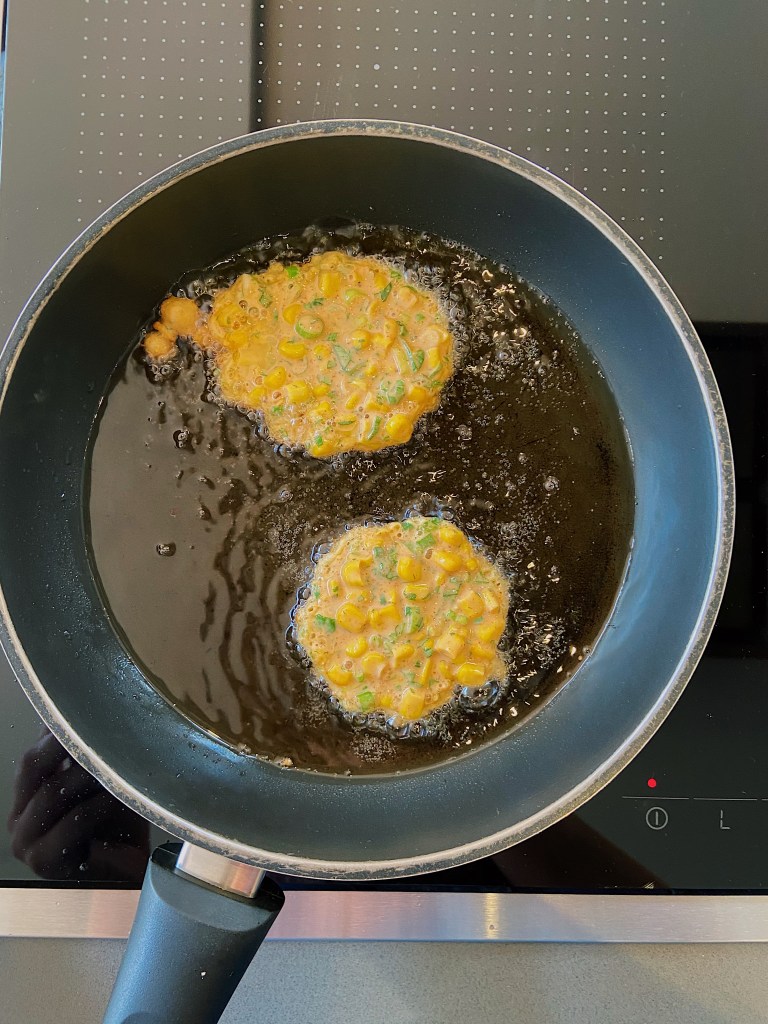
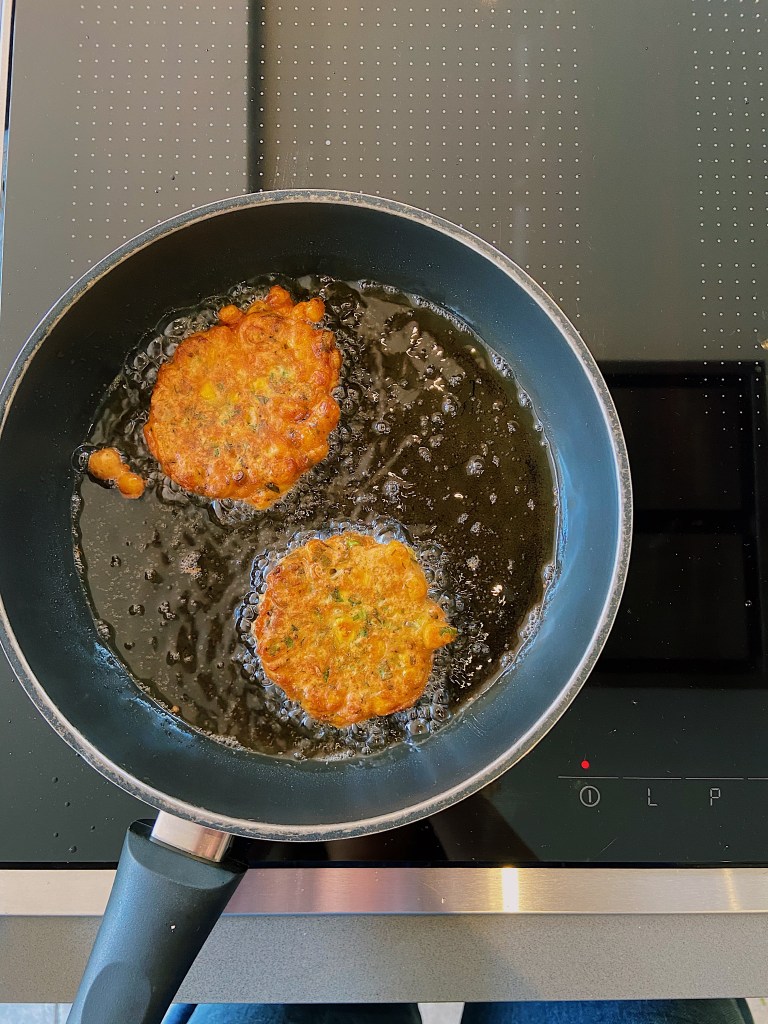
  3. Spoon a couple of small ladles of the batter into the pan at a time to make sure the fritters don’t merge. Cook until brown on one side and then flip and cook for a further 3 minutes. Remove and drain on a plate with some kitchen paper. Repeat with the remaining batter. 
  4. Meanwhile heat a saucepan full of water until boiling and add the eggs to poach. Turn the temperature down to a simmer and cook the egg for a further 2 minutes or until the white is cooked and the yolk is runny. 
  5. Stack the fritters on a plate. Place the egg on top surrounded by the sliced avocado, salad leaves, a dollop of tomato chilli chutney and sprinkle with rock salt and the chilli flakes (if using). Dig in. 

La Pantera: tequila, tacos and a good time for the taste buds

Are you in need of some serious taco time? Well I know just the place.

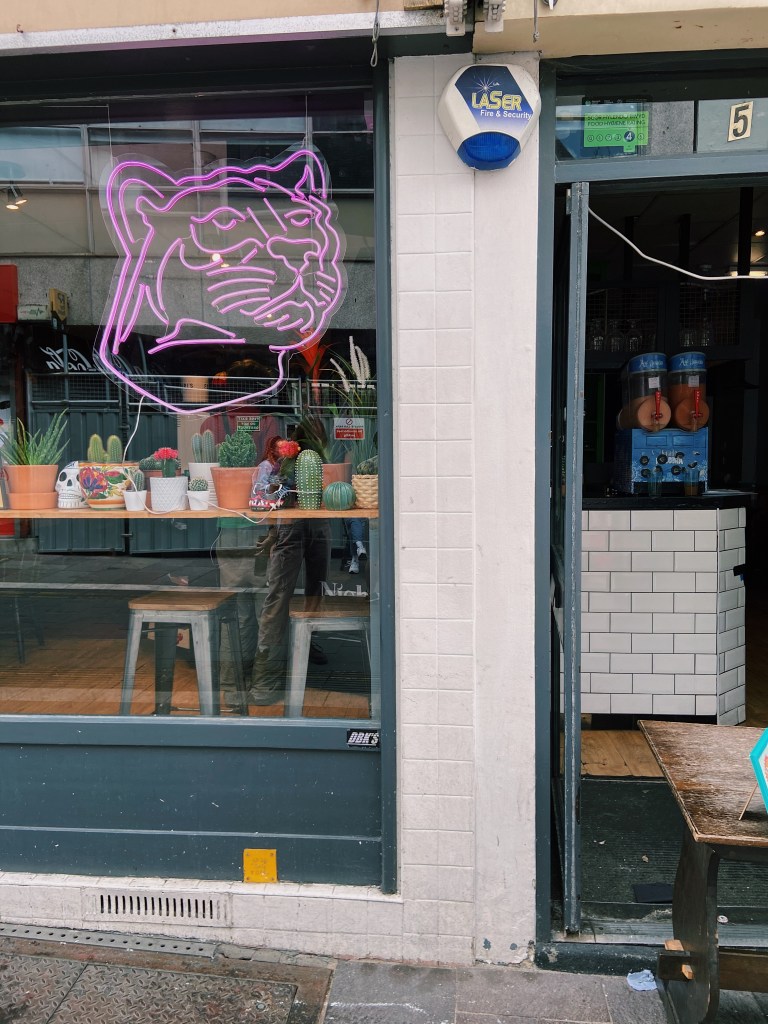
Tucked away on Quay Street between St Mary Street and Westgate Street resides La Pantera, a self-proclaimed mezcal and street food back street cantina, offering up some seriously tasty tacos with some not so serious lashings of tequila . 

This little corner of Cardiff’s city centre seems to house some of the city’s trendiest food and drink spots (the craft beer bar Tiny Rebel being just a few doors down), so of course there’s a neon panther sign poised in the window (that and the name pantera). While their Instagram feed is full of Mexican wrestling mask clad staff downing mezcal and stuffing tacos, the most unorthodox aspect of La Pantera is their fusion of cuisines. At this taco haven they seem to view the humble flour (or corn upon request) tortilla as a vessel for well, just about anything. You name it and they’ve probably put it in a taco. Moules frites? Tacoed. Onion bhaji? Tacoed. Big Mac? Tacoed. 

I have Instagram to thank for introducing me to La Pantera and its takeaway goodies, lifting me from my lockdown foodie slumber to once again enjoy the delights of eating out (or rather taking away and eating in a park). For 8 weeks during lockdown they partook in the takeaway trend with a new even more tantalising menu each week. While I missed out on the Big Tac (a.k.a. a Big Mac in a taco) I have managed to try 4 of their creations and witnessed 1 other being eaten (not as weird as it sounds).

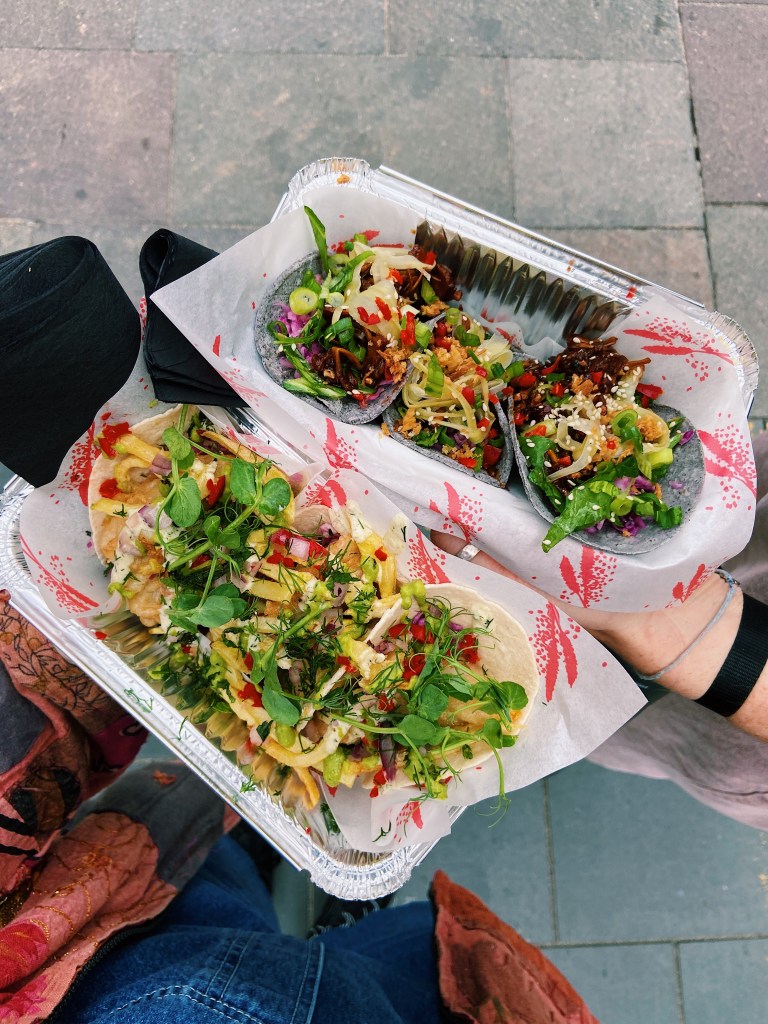
My first trip to the cantina was on one quintessentially sunny cloudy Welsh summer’s day accompanied by a friend and a hangover. We rocked up and ordered the fish finger taco and the Korean BBQ jackfruit taco. Just like The Lazy Leek, they were very good with my friend’s allergies, (yes, it’s the friend with the allergies, @elan_mai if you’re nasty) enveloping the sticky jackfruit in a blue corn tortilla rather than a flour one, both equally delicious. Hence why I only witnessed this taco being eaten, as I didn’t want to get my contaminated chops around it. 

While I didn’t get to taste their vegan offering I did get my first taste of La Pantera’s tacos that fortuitous day in the form of their fish finger taco; a piece of battered fish on a bed of red cabbage topped with shoestring fries, minted mushy peas and tartare sauce sprinkled with pea shoots, diced red chilli and red onion all lovingly encased in a flour tortilla blanket. It is definitely a cliché but no understatement to say that the first bite of that salty delicate fish taco with punchy mint and pickle flavour set off by a slight hint of heat from the unexpected chilli, was heaven. To a struggling foggy headed woman sitting on the grass backdropped by Cardiff Castle and an intermittent sun there could have been no better taste to wake up the buds. 

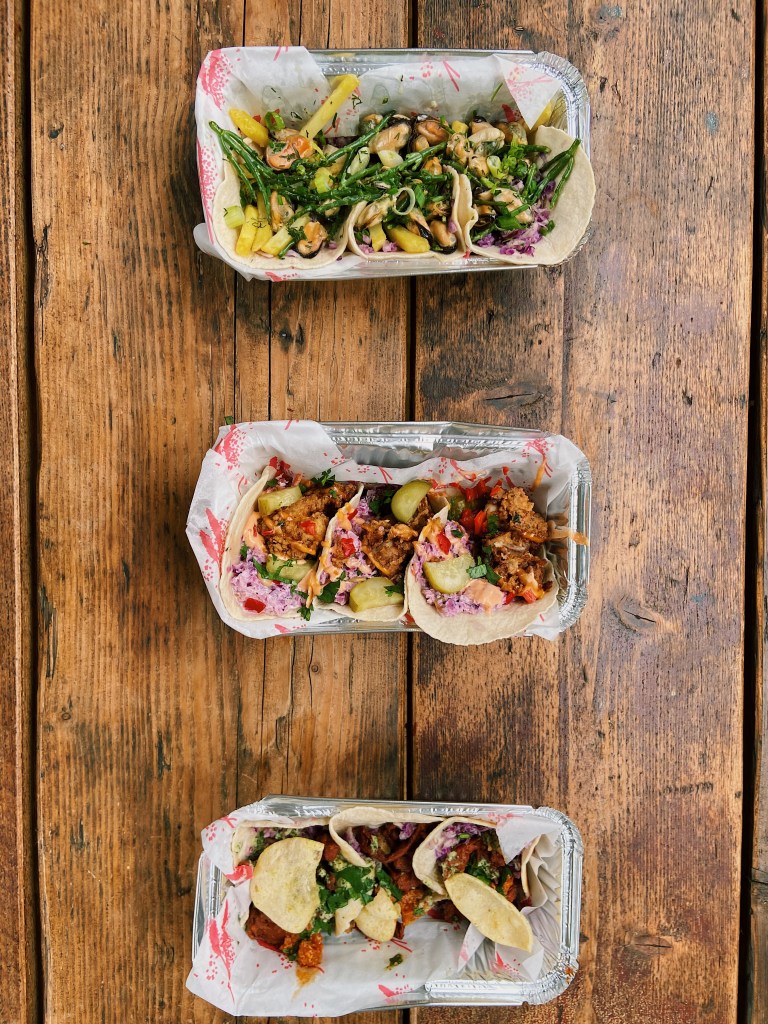
With such an outstanding opening review the tacos had to be put through the ultimate taste test. It was time for the tacs to be tasted by… the Lawlers, a.k.a. Gale and Scott, a.k.a. mum and dad. On the menu this time was buttermilk fried chicken (possibly one of my favourite foods ever), moules frites (sounds kind of disgusting right? wrong) and onion bhaji. 

The rain was falling and the pathetic fallacy real, all looked ominous on judgement day. However, we managed to get the tacos home just in time, lined them up on the table and commenced consumption. First, the onion bhaji taco with saag aloo, vegan raita, lime pickle crowned with a crispy poppadom . With such vibrant colours I was expecting vibrant flavours and boy did I get them. In fact, I had the shock of my life when that lime pickle hit my tongue and exploded with fiery as well as citrusy flavours, truly giving a new meaning to the word zing. While the lime pickle was simultaneously strong, spicy and sharp it was necessary in this otherwise warm, hearty and earthy gram flour and potato taco offering. Taco numero uno approved. 

Second and the most eagerly awaited taco of the luncheon, the buttermilk fried chicken taco with sriracha mayo, southern style slaw and pickles. A combination the Lawlers are very familiar with, fried chicken being a staple in our household, so if it’s on the menu rest assured it will be in our mouths soon enough. The moistest (ugh I know) taco of the bunch, oozing with coleslaw juice, the peppery fried chicken, sharp pickle and spicy sriracha made for a great couple of bites. Hands down Gale and Scott’s triumphant winner but was it mine? How could fried chicken ever be beaten through my gold and crispy tinted glasses?

moules frites taco is how. The last taco to be sampled was this one, its description on the menu reading “Moules Frites, white wine, cream and samphire”. While bizarre sounding the Lawlers couldn’t pass on an opportunity for creamy winey mussels, having eaten a (literal) bucketful of them with chips on our last holiday to France. With two different liquids (white wine and cream) in its description you would have expected a soggy bottom but all we got was flavour, fresh mussels coated in a creamy white wine sauce topped with salty samphire and crispy little chips. Rich, classic and salty this has to be voted my favourite due to the sheer balls needed to serve this French classic in a taco. 

For months La Pantera has only been open for takeaway, merely teasing our taste buds with their taco creations and mezcal slushies, but on Wednesday they re-opened up shop. Finally, our thirst for tequila will be quenched and our hunger for weird ass tacos satisfied all while sitting at an actual table in an actual restaurant once again. I can’t wait to go, see inside and be reunited with arguably the best tacos I’ve ever tasted and try some of their new side dishes.

The Lazy Leek: adventure, assumptions and plant-based burgers

If you’re looking for a great, pretty guilt free takeaway then look no further than The Lazy Leek’s wooden clad shack in Cardiff Pontcanna’s King’s Road Yard, a Londonesque cluster of small independently owned cafés, restaurants and businesses. It offers a unique community feel only found in small city centre residential areas and their high streets. The Lazy Leek is an independently owned vegan street food shack, opened in 2018, offering some remarkable sounding plant-based burgers and sides. These burgers are remarkable sounding not only for their whimsical names like “The Italian Job” and “The Beetmaster General” but for their exhaustive list of ingredients; you can’t help but be enticed by their buns. 

I had been aware of The Lazy Leek since last year, with plans to go dashed by probably one of the worst hangovers in (at least my own) history. Deciding that I had far too much alcohol in my system to drive we deferred our plans. Sadly, COVID-19 hit and our plans were dashed, the shack shutting up shop. Then came the glorious weekend of the 3rd of July, when finally, I got to taste those oh so impressive burgers and have my first taste of anything remotely resembling eating out in around 4 months. 

The Lazy Leek decided to re-open for takeaway only, to salvage our taste buds from the brink of boredom. Home cooking, while delicious, cannot replace the saliva inducing expectation of food made by another’s hands.  The procedure: customers have to ring up to pre-order their burgers; select a time slot for collection; and pay contactless on arrival. The stage was set. Sunday was to be my day of rest from the kitchen, ready instead to hold in my hands a juicy bean burger. 

Sunday came and there I sat on the edge of my bed ready to ring with my order on a sticky note in front of me and a list of my friend’s many allergies (who knew there were so many kinds of nut). I rang at precisely midday on a Sunday and no answer to my call, the line was busy. Panic set in, but I finally got through at 12:03. A sigh of relief was breathed but not for long. Alas, they had already run out of the beetroot burger and only had slots available for collection before 1. An order of “The Italian Job”, a “Cow-less Boy” patty with “Beetmaster General” toppings and no bun and a side of sweet potato fries was placed (the restaurant having been extremely accommodating of the allergy notices). 

Now, the race was on. Picture me shoving my shoes on, jamming my keys in the ignition and whizzing off to Pontcanna, bypassing Castle Street, panic parking on Cathedral Road and a last-minute sprint to show up at 12:40 on the dot, gracefully poised in an unflustered manner to collect my steaming hot food from the shack window. 

The lesson here ladies, gentleman and non-binary: get your orders in quickly!

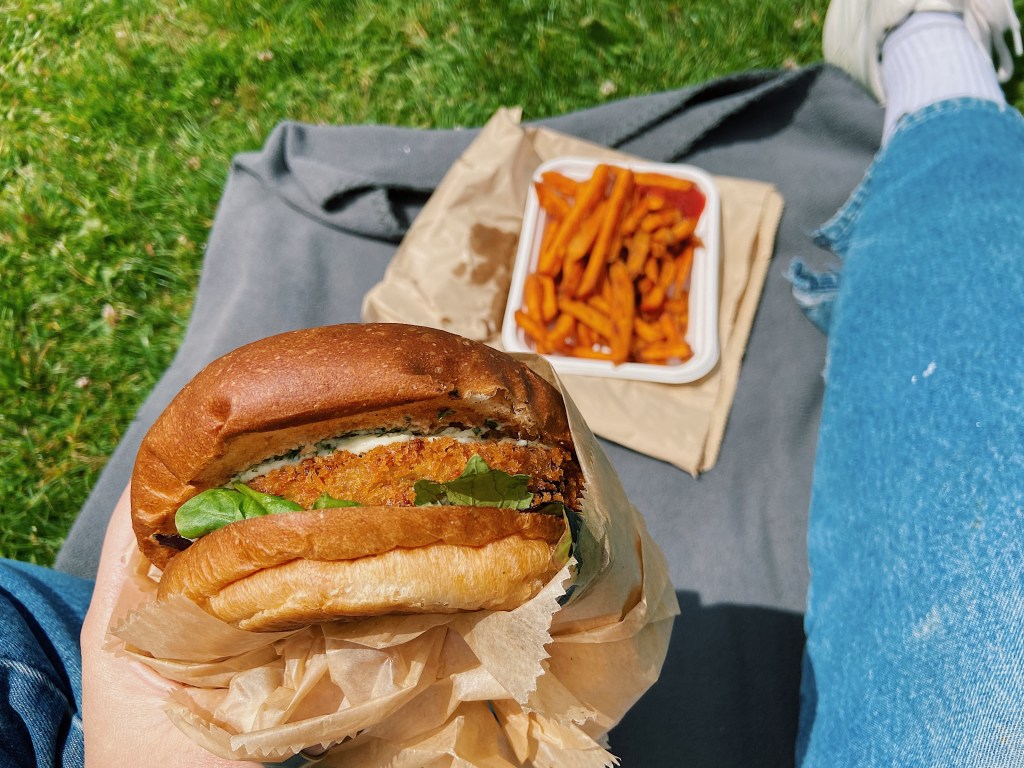
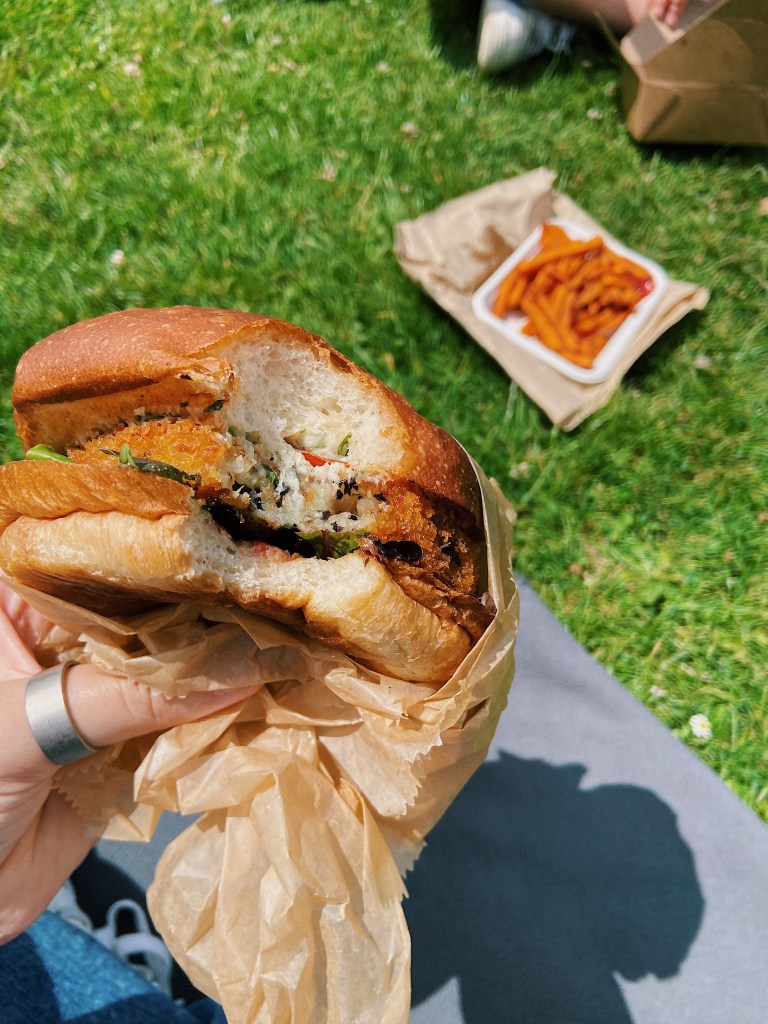
Once the food was safely in my possession we wandered (or rather sped walked from hunger) down to Llandaff Fields to commence this eagerly anticipated picnic. All the food was wrapped in brown paper which, when unravelled, revealed foodie treasures: bright orange and crisp sweet potato fries; a golden bun enveloping a crispy mushroom risotto patty on a bed of vibrant green salad topped with luxuriously creamy aioli and pesto; a bean patty topped with all that beetroot burger goodness of hummus, gherkins, root vegetable crisps and carrot chutney, enshrined in a takeaway box. This last item was generously created for us due to the crushing disappointment of their lack of “The Beetmaster General” and my friend’s obsession with anything topped with or accompanied by hummus. 

The shack, it’s location and the dreamy food served here make it well worth a visit. Often, I find plant-based food bland, with not enough seasoning added to make those beans or veggies sing. The opposite could not be truer of The Lazy Leek’s risotto burger. Possibly the perfect burger for me, having a love of carbs on carbs on carbs. The risotto was rich and silky with soft decadently garlicy mushrooms, sticky enough to form a stable patty but not stodgy. The lemon and basil aioli added the necessary fresh zing to cut through the fat of the fried breadcrumbed patty. The addition of simple salad items like leaves and sliced vine tomatoes complimented the burger while allowing the star of the risotto to shine (and the award for supporting actor goes to). 

During lockdown I have realised how much we, as consumers, rely on chain restaurants and large brands for our eating out options. Instead, I would like to discover and champion local food places in all their forms, be that restaurants, cafes or shacks and The Lazy Leek seemed and proved to be a great place to start. I also want to step out of my comfort zone and try foods I wouldn’t at first glance fancy, such as plant-based foods which I’m afraid to say I assume are full of pulses and not much flavour. If you also share this assumption then go to this vegan burger palace to be proven wrong and even if you don’t share this assumption and love vegan food then go anyway to be proven right. It’s great to see stylish tasty vegan food play a role in Cardiff’s food scene and be sure to see me chowing down there again but, this time those dirty fries are in my sights. 

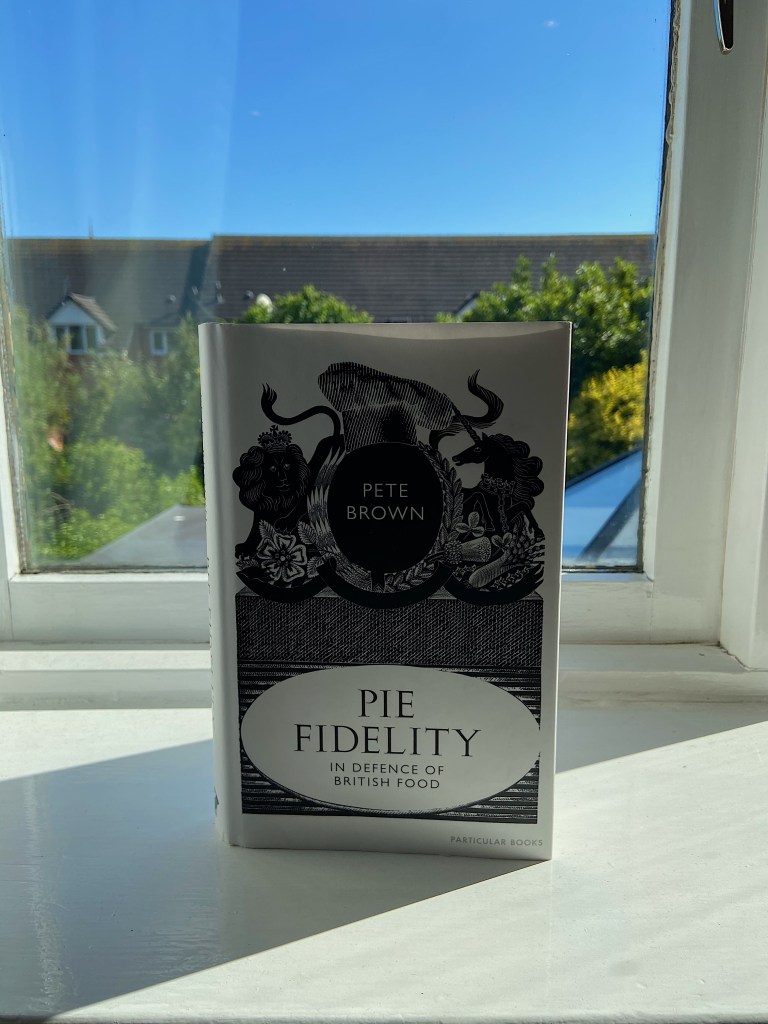
Is British food really that bad? Pete Brown defends its honour in ‘Pie Fidelity: In Defence of British Food’

Have you ever thought of Britain’s national dishes of fish and chips, a roast dinner or a cooked breakfast as mediocre and just a plain old bit of stodge? See my review below of Pete Brown’s ‘Pie Fidelity’ in which he tries to argue that British food is much more than this and even something to be proud of.

Particular Book’s Pie Fidelity: In Defence of British Food by Pete Brown

While I, as a strong Cymraes/Welshwoman, am not particularly proud to be British, I cannot deny that the dishes defended in Pie Fidelity are familiar to me. It wasn’t a Sunday in the Lawler house growing up if we weren’t digging into a roast dinner at 6PM in front of Antiques Roadshow and there is no weeknight staple truer to the name than spag bol. The book does mainly focus on English food and geographies. Cardiff’s Chippy Lane (a.k.a. Caroline Street) may get honourable mention in the fish and chips chapter and while each nation’s interpretation of the cooked breakfast does get a shout out I use English/British in this review as let’s be honest, he’s arguing for pride in England’s and not so much the surrounding nation’s food.

The first chapter of Brown’s staunch resistance to the historical critique of British food concerns pie and peas. Not a tradition I, as Welsh and then Bristol Uni attendant, have been exposed to, it being a northern one; the author harking back to his days coming of age in Barnsley. While his nostalgia for this dish can clearly be felt and his sumptuous descriptions of a warm pork pie nestling on top of peppered mushy peas would convert even me, a pork pie sceptic, this chapter felt confused, consisting of content as well as introductory fodder and statistics. 

With the introductions out of the way however, Brown’s rhetoric comes to life, going onto perfectly display the beauty in the simplicity of the cheese sandwich in his second chapter. Whether it’s paired with ham, pickle, tomato or onion, toasted or baguetted, the cheese sandwich is a truly British lunchtime creation. He urges for us to celebrate British dairy produce and the UK’s amazing cheddar tradition and rightly so, explaining how it was very nearly lost to the world through industrialisation and the nation’s prioritisation of money instead of pride in our champagnes or Parmigiano-Reggianos. 

In proceeding chapters, Brown attempts to tackles Britain’s colonial past and appropriation of cultures in the form of the curry and spag bol. An interesting topic and one I had personally never considered before. While pies, roasts and fish and chips were a large part of the food I ate as a child, so were spaghetti Bolognese and curries. Brown asks his friends to make him their versions of the lovingly abbreviated spag bol on a quintessential rainy Tuesday weeknight. Each incarnation varied from one to the other in choice of mince, herbs, tomatoes, wine and well just about every component. According to Brown, the most important definition to make here is that none of their interpretations of this supposedly classic Italian dish claim to be authentic. As many have claimed before, Italians would never eat spaghetti with a sauce like Bolognese and traditionally the ragù would have been made with white instead of red wine. Instead, Brown convincingly claims that spag bol has morphed over time through varying cultural influences into a British classic, using our produce but with the dishes cultural heritage still firmly rooted in forms of regional Italian cuisine. 

Brown uses similar arguments regarding Britain’s relationship with the concept of the curry. When served a Balti or a chicken tikka masala alongside your cobras at a curry house he argues what you are being served are ‘Anglo-Indian creations’ (p. 211). In other words, a combination of English and Indian flavours coming together on a plate, created in the 18th/19th century in order to appease British taste buds while enjoying the exciting new flavours from the Indian subcontinent. While he fully acknowledges Britain’s brutal colonialization of India as the reason for curry appearing on our dinner tables today he also claims that ‘curry’, being the British umbrella term for any and all Indian food, is therefore a British staple. Indian food being so regional, where they would refer to dals, dopiazas or biryani’s we would use ‘curry’. While his argument may be valid and his acknowledgement of the curries history important it is still difficult to be proud of and lay claim to a dish that is the product of such a strained, uncomfortable and violent history. 

Throughout the book Brown makes some controversial statements. His description of a cream tea’s scone as possibly the driest thing you could put in your mouth, his disgust at any form of cream or his dismissal of thin and crispy bacon as unsuitable are just a few examples. While I don’t agree with all of Brown’s opinions he does make many valid points. In the end he is won over by the delightful cream tea, eating his words in the form of a moist jam and clotted cream covered scone, clever to not get involved in the centuries old question of cream or jam first. Another of his attitudes which I myself hold is his ambivalence towards eggs on a Full English, asking ‘why do they [eggs] dominate the breakfast menu to such an extraordinary extent?’ (p. 236). He asserts the greasy spoon is a British institution and Elmers Crwys Road, if you’re reading this, we can’t wait to come and recover after a heavy night once again.

Possibly his most valiant point of all is his defence of the roast dinner. Brown’s description of the utter chaos and gargantuan effort that is cooking a roast dinner could not be more accurate. His call to hail the roast dinner as a skilful and impressive feet of cookery is one I also endorse, having seen the skill of my mum artfully dance around the kitchen most Sundays for 22 years as she cooks up a storm all on time and still piping hot. The only stress in my house surrounding the roast dinner is whose turn it is to do the washing up. 

I may disagree with Brown’s final musings on the humble and self-deprecating nature of the English/British (having been on the receiving end of much over confident, let’s be honest cocky, commentating from John Inverdale and the like during the Six Nations) but this book’s strength lies in his ability to express that food is undeniably intertwined in memory. Brown claims ‘our best meals remain a product of their environment’ (p. 326). The chips and gravy down Barry beach on a crisp Winter day walking the dog are somehow unsurpassable, this nostalgia being a great reason to read Pete Brown’s Pie Fidelity, a controversial, comical, possibly convincing defence of British cuisine. 

Pieces from the Pantry .3

Coconut milk

While coconuts grow in hot, humid and sandy climates it is not unusual now to see tins of their luscious creamy milk on the pantry shelves of rainier climes like the UK. Surely coconut milk can be said to be a modern-day store cupboard staple, or at least it is one of mine. A constant resident of my university cupboards, a tin of coconut milk would come in very handy on an uninspired night, when nothing in the cupboard “spoke to me” (as if my food was telepathically communicating whether it wanted to be eaten or not). You may think I was using this sweet nutritious nectar for some cheeky piña coladas after a long arduous day at the library but no, I’m sorry Rupert Holmes, a Thai curry was my vice of choice. 

A weekly occurrence at my university house and near enough so back at home, the Thai curry is such a versatile and tasty dish. It may be the obvious dish of choice, but Thai curry is one of those dishes I just can’t quit and so is the subject of this, my next piece from the pantry. The fragrancy of the sauce is a difficult flavour to trump for my taste buds and it offers the perfect end kick of chilli, leaving your nose lightly running as you take your last slurp. 

Each curry differs in its flavour profile, offering something unique (roll on the dating profiles of each of these eligible bachelors): the Massaman curry paste offers the sweetness while mellowing on the chilli heat; the green paste being the most fragrant of the bunch and one to steer away from if you in anyway think coriander or lemongrass taste soapy (blasphemy); red Thai curry offers the punchiest helping of chilli, almost certainly leaving you with a sweatier brow than usual; and the Panang curry paste mediates the perfect balance between fragrant and fiery. However, with each the essence of Thai flavours remains intact: fiery chilli, bright ginger and lime and fragrant lemongrass. There are even more types of Thai curry than I have named here but these are probably the most familiar and easily accessible to us all.

Most of these Thai curry pastes can be purchased either in the supermarket or your local Asian supermarket, if you have the luxury of such a wonderous place at your convenience. In your average local Tesco, the Thai curry pastes usually come in jars and if you’re feeding 4 people you’ll more than likely need to use the whole thing. However, Asian supermarkets sell larger 400g tubs of the pastes which in my opinion are far better value for money, have more intense flavour, a long shelf life and you only need teaspoonfuls at a time. For the recipe below, you can use either iteration but, if you wish to introduce a new long-term resident to your pantry shelves I would highly recommend buying these larger pots of Thai curry pastes (understandably difficult at the moment as these shops may be shut). 

My recipe below is for more of a Thai curry noodle soup as the sauce is thinner due to the addition of chicken stock. If you would prefer a creamier, thicker finish then by all means add another tin of coconut milk or cream rather than the chicken stock. For this time of year, I thought the lightness of the dish was a perfect way to end a bright sunshine filled Spring day. If you are busy during these Summer nights (cue Sandy and Danny’s melodious harmonies) then this recipe not only offers the perfect freshness but also practicality, only taking 30 minutes to prepare and cook, the sauce itself cooking in around 5/6 minutes. 

It is an easily adjustable dish, allowing for the vegetables I have detailed in the recipe to be substituted with fine green beans, baby sweetcorn or mushrooms etc. You can even use any variety of noodles you have to hand or even rice if this is what’s available on your cupboard shelves. You can even personalise the recipe even further by substituting the chicken with chickpeas or sweet potato and using vegetable stock in order to make this a vegan/vegetarian dish (obviously the fish sauce being a no go too). If you wish to add a bit of extra texture or some flair at the end how about sprinkling the hot gleaming bowl of red Thai curry noodle soup with some crunchy salted peanuts or chopped coriander. Whichever ingredients you choose to incorporate, give the recipe below a go and tell me what you think!

Red Thai Curry Noodle Soup

Serves 4

Ingredients

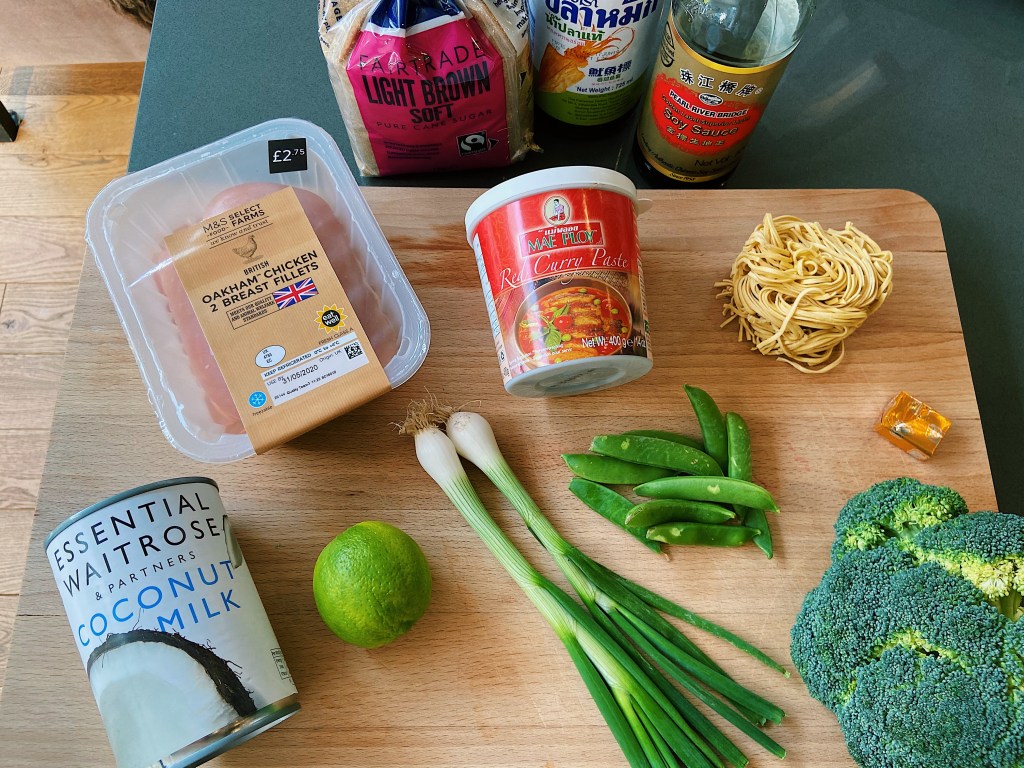
  • 2 tbsp vegetable oil
  • 2 chicken breasts, cut into medium size pieces
  • 4 medium egg noodle nests
  • 1 ½ tsp Mae Ploy Red Thai curry paste or 1 jar of supermarket red Thai curry paste
  • 400ml tin coconut milk
  • 300ml chicken stock
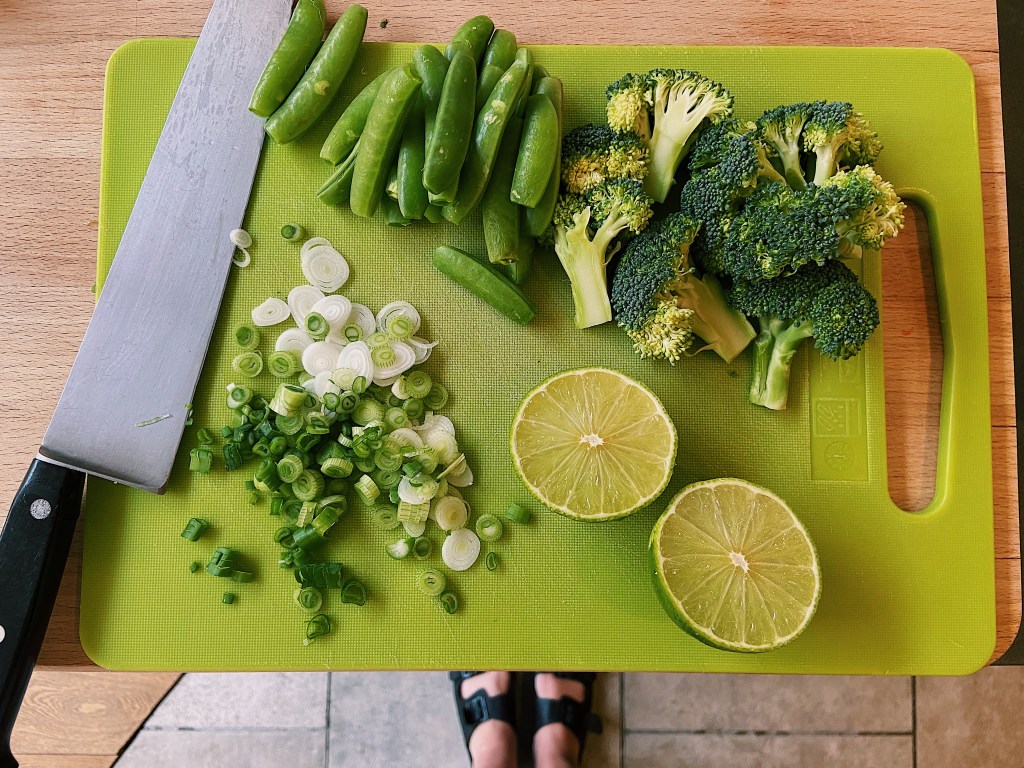
  • Handful sugar snap peas, topped and tailed
  • Handful broccoli, cut into florets 
  • ½ lime, juiced
  • 1 tsp soft brown sugar
  • 2 tsp fish sauce
  • 2 tsp soy sauce
  • 2 spring onions, sliced

Method

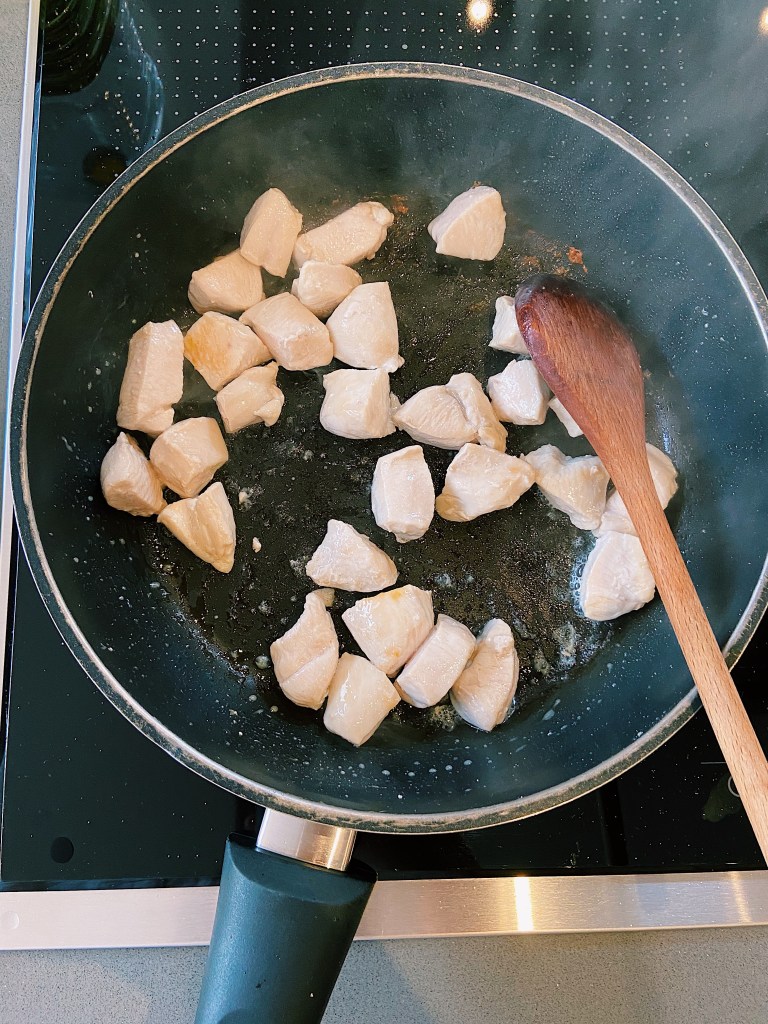
  1. Heat half the oil in a medium size frying pan to a medium high heat. Add the chicken and brown on all sides. Once cooked drain on a plate lined with kitchen paper and set aside.
  2. Bring a pan of water to the boil and add the noodles. Cook per packet instructions.
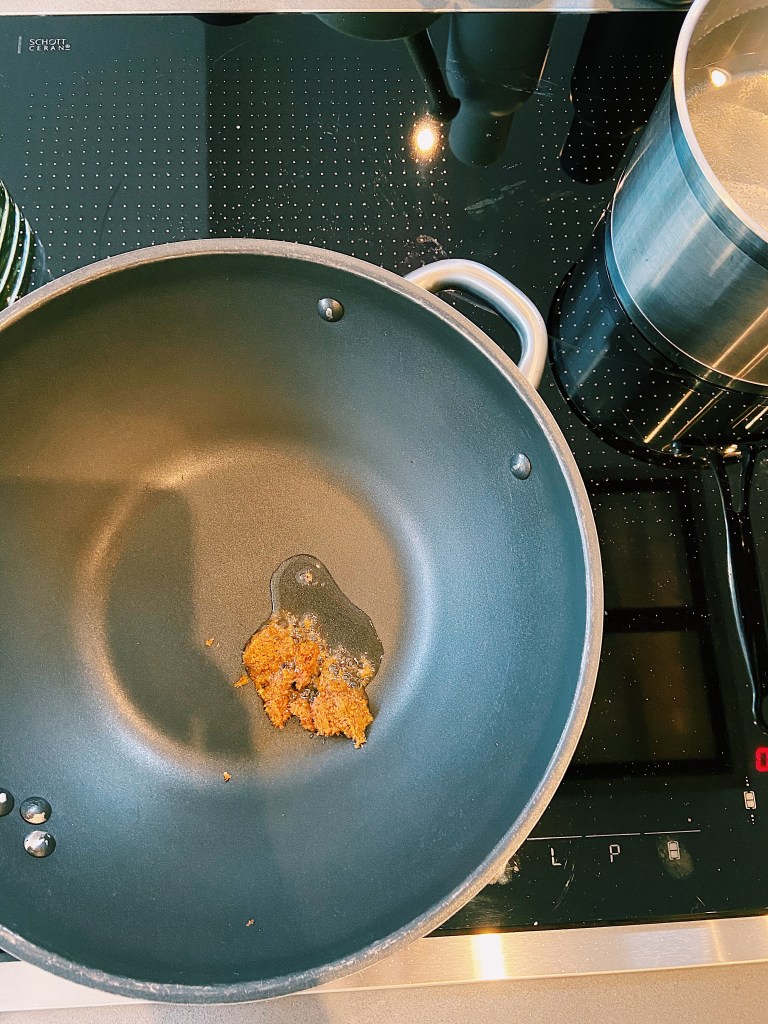
  3. Heat the remaining oil in a wok on a medium heat and add the curry paste. Cook the paste for around 1 minute or until fragrant. Add the chicken stock and coconut milk and bring to a boil. 
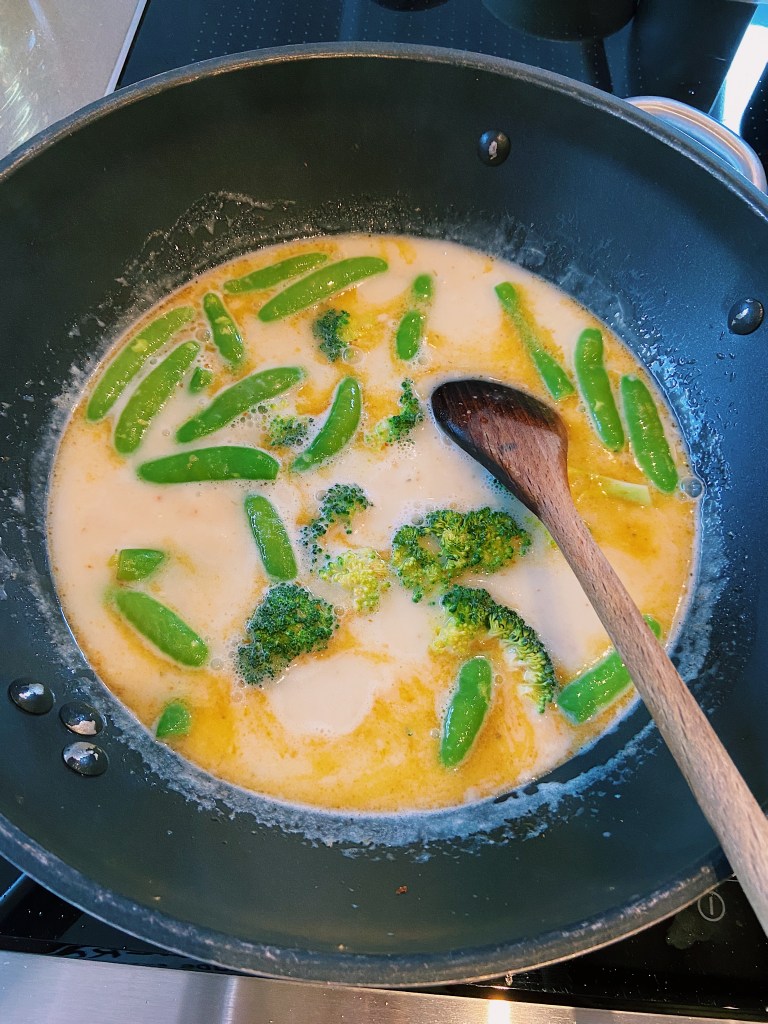
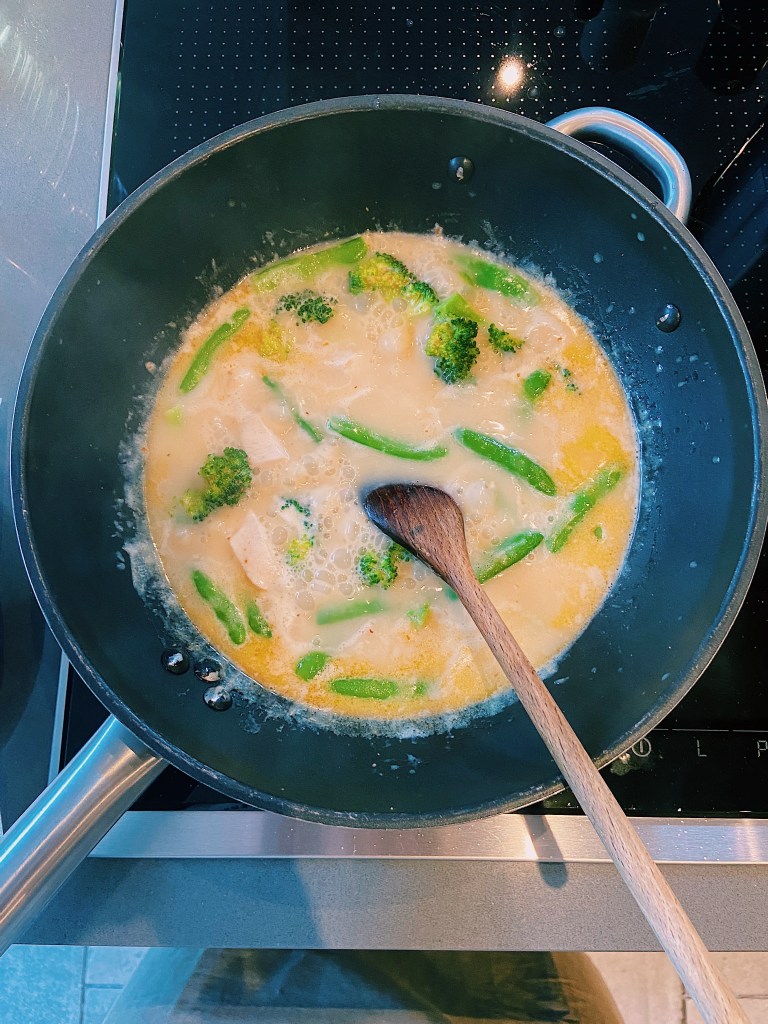
  4. Once boiling add the sugar snap peas and lower to a simmer. After 2 minutes add the broccoli and chicken to the wok and cook for another 3 minutes.
  5. Season the soup with the lime juice, sugar, fish sauce and soy sauce.
  6. Drain the noodles and share between each bowl. Pour the soup on top and garnish with the sliced spring onion. Enjoy. 

Bring the katsu curry to your kitchens

Are you missing that Wagamama feeling? Are you getting cravings for their banging bang bang cauliflower? Are you in need of some beautiful steamed buns (I know what you’re thinking so get your mind out of the gutter)? Well, have no fear as they seem to have us covered having released their recipes for the world to see and cook on the Wagamama UK Instagram. 

They have released recipe videos and ingredient lists for some of their crowd favourite recipes such as yaki sobas of many variations (vegan and otherwise), chilli chicken ramen and they have even hosted a gyoza workshop. Their videos are brought to us by Steve Mangleshot, executive chef at Wagamama, from his home accompanied by some adorable doggo appearances. 

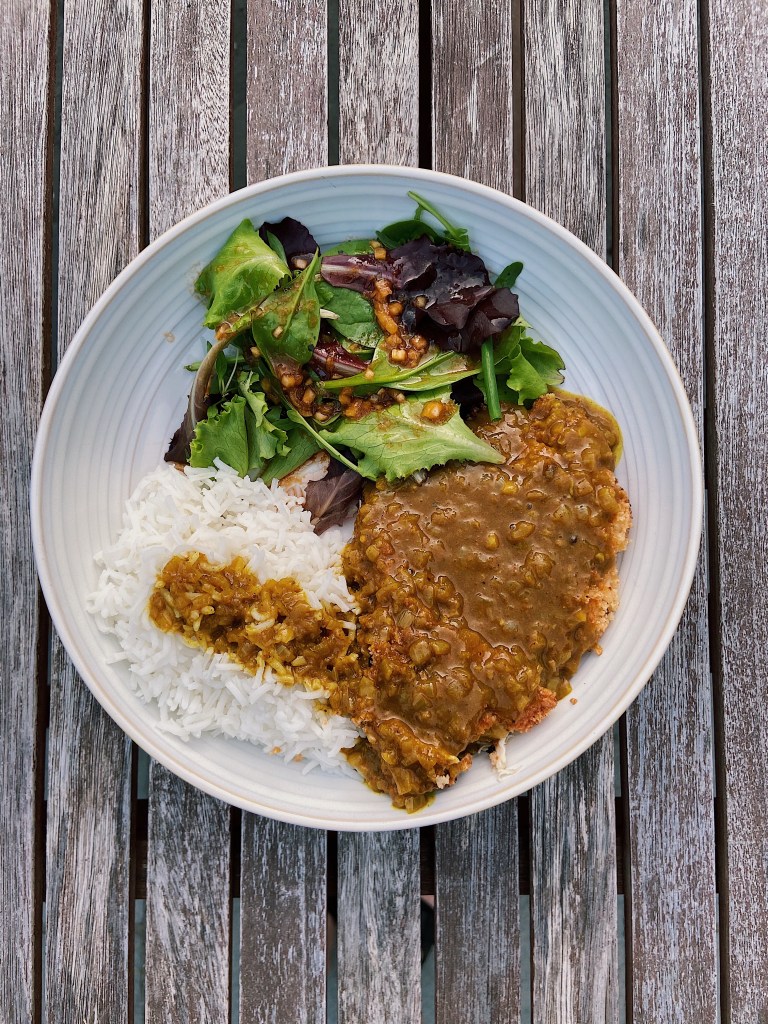
They kicked off their Wok from Home campaign with their most synonymous dish, 10 points if you can guess it correctly (I have officially done too many Zoom quizzes). Of course, it’s katsu curry. They released a vegan yasai katsu curry recipe as well as one for chicken katsu curry. I decided to give their chicken katsu curry recipe a try to see if I could recreate that beautiful dish in my humble abode. According to my mum I must have succeeded considering she proclaimed ‘That’s the best thing you’ve ever cooked!’ (not the three course Mother’s Day Meal, no). I must say, this is rather an accolade considering the restaurants are never her first lunch spot choice when out for a day of shopping. 

I was inspired to give this recipe a go for three reasons. One, this is my go-to order at Wagamama being a massive fan of chicken fried in any form, sticky rice and that almost chip shop curry sauce but far more fragrant and creamy. Two, I have been inspired by many other Instagrammers to give this recipe a go as it’s a lot of fun and just looked so darn tasty on my feed. Three and probably most importantly, I will not be defeated by a Japanese style curry sauce as has happened in previous attempts. 

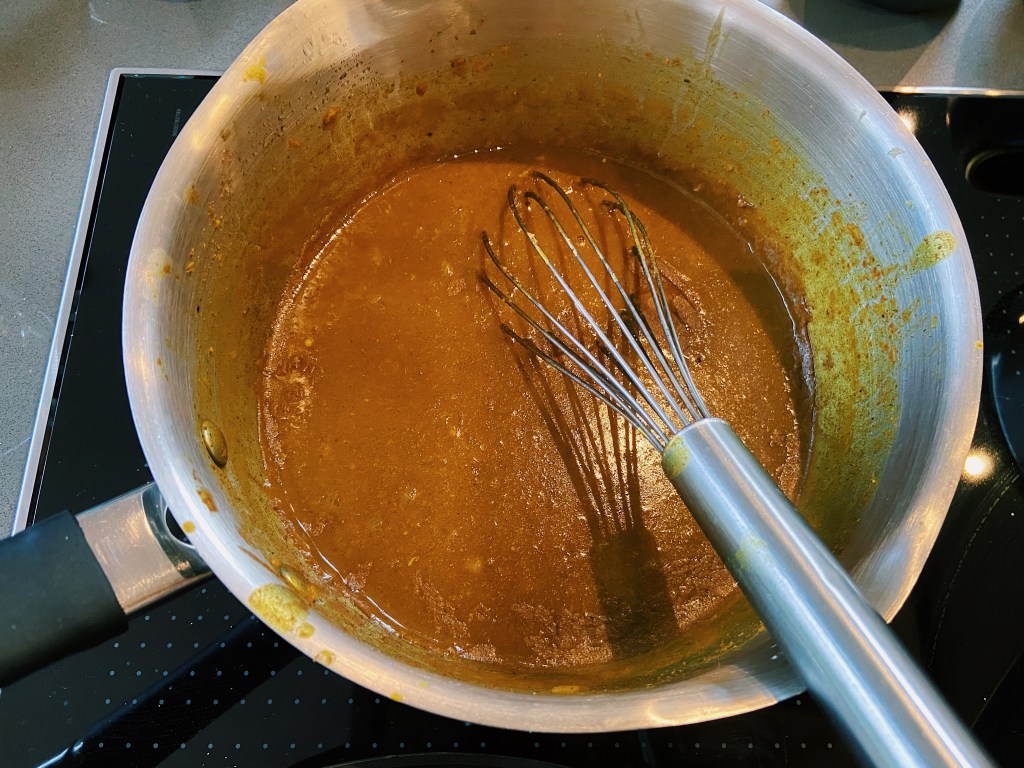
I have attempted such style sauces before and have not succeeded, ending with a bitty and grainy textured dark sauce, far from the golden delight served steaming hot from the Wagamama kitchens. I always knew my issue with the sauce’s texture stemmed from not cooking out the raw spices enough before adding any liquid and so I was aware of this potential pitfall and made sure I did not fall foul of it again. The recipes I have used previously also did not contain coconut milk which lightened the sauce in colour and texture and made for a creamy finish. 

I had to double the quantities of the sauce recipe as it only feeds 2 and I’m cooking for parents and a sibling over here. This did cause a bit of uncertainty in my mind when Steve would say add around this amount of coconut milk or cook for around this amount of time until the spices have cooked down as there was some room for interpretation. The stakes were high here people, I did not want to admit defeat, not again. If you are doubling the recipe you don’t need the full doubled amount of 600ml of chicken stock as the sauce would be far too runny. I would say you need around 400/450ml of stock and around 160ml of coconut milk. 

One of the sentiments I took from the video is that everyone’s take on the sauce will be different; the recipe is open to adjustments and that’s the beauty of it, I added a pinch of salt and a squeeze of lime juice to taste. Just use your common cooking sense. If you feel the sauce is getting too loose, stop adding the stock and coconut milk and keep cooking it out to let the flour do its thing. Another tip is to ensure you cook out the spices and flour for long enough respectively, I would say it took a little longer than the 1 or 2 minutes recommended in the video. Despite these small adjustments, the recipe and video are pretty great and I would recommend everyone give it a go to try and achieve that eating out feeling while staying safe at home. 

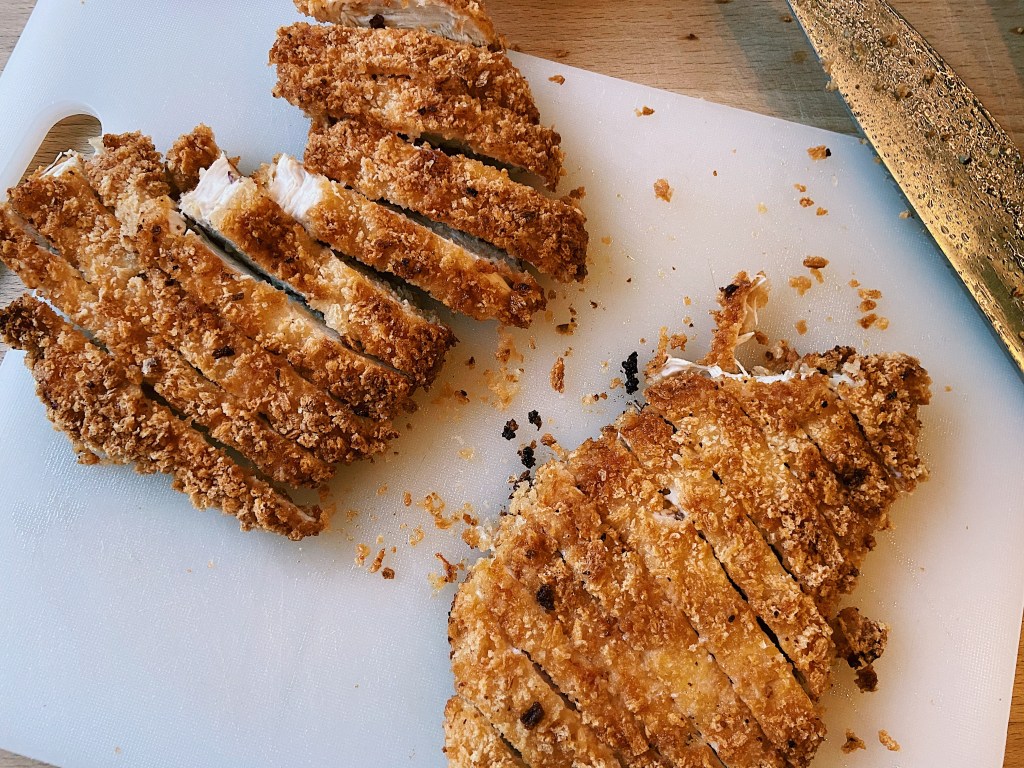
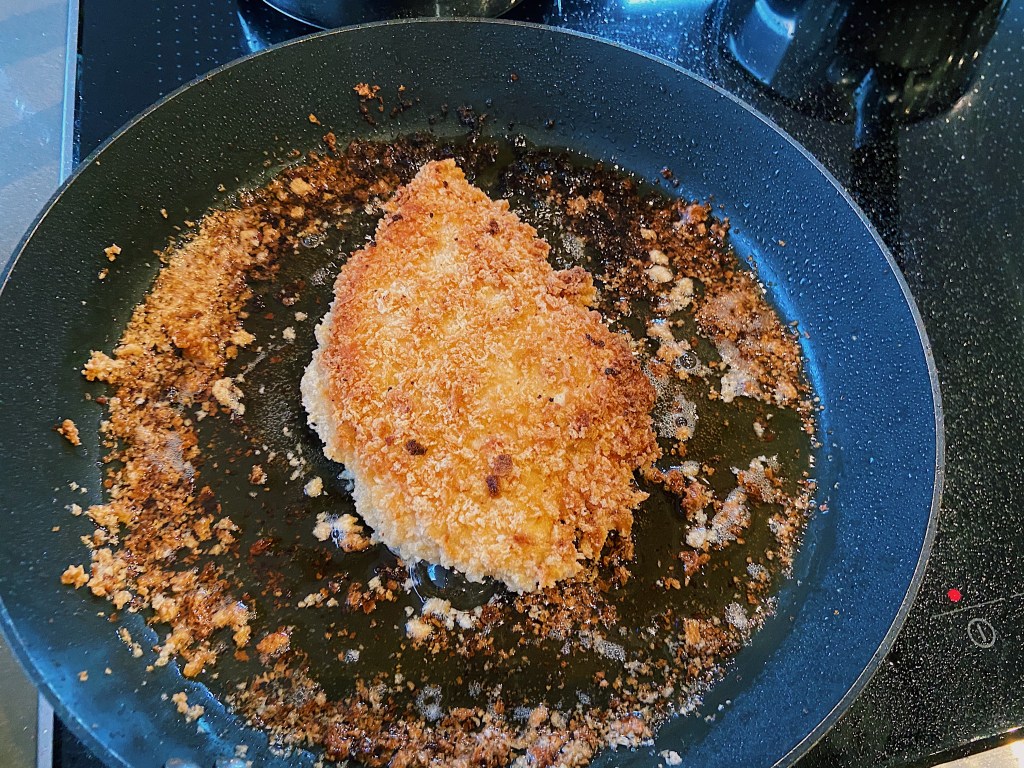
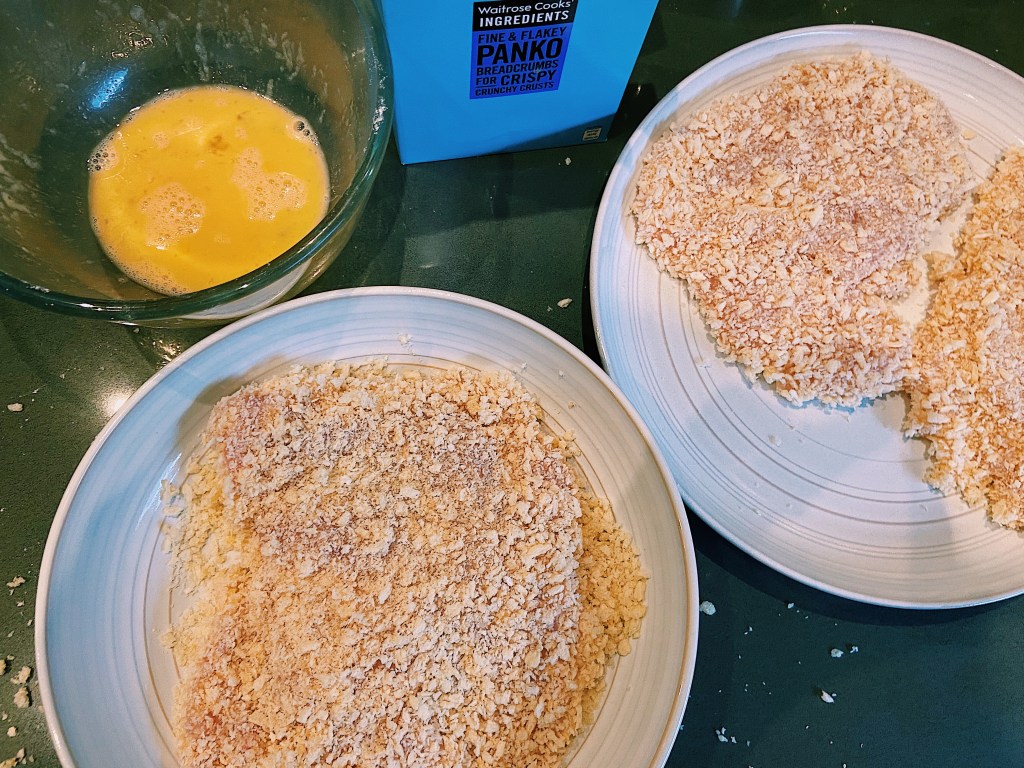
I served my creation with breadrcrumbed (pané if you are feeling fancy) fried chicken, rice and a mixed leaf salad with the iconic Wagamama dressing (also available on their Instagram). As said in the video, ‘it’s Katsu heaven’ and I can finally say I conquered the curry sauce.

Pieces from the Pantry .2

Pasta

Pantry pasta creations seem to be a big hit at the moment on the social medias so I thought I’d hop onto the trend train and give you my take. While I don’t shun any kind of dried pasta creation, even the humble student staple of pesto pasta or to throw it back even further to the school day lunch favourite of pasta with cheese, I would definitely recommend amping it up by following my recipe below. You could say I’m marking each significant period of my life with a pasta dish (odd choice granted), this being the graduate portion.  Get ready for some slightly more sophisticated ingredients but still a simple speedy recipe for those busy weeknights.

This week the star of the store cupboard is… dried pasta. Dried pasta comes in all shapes, sizes and colours (cue the ensuing categories round of ring of fire in which someone proudly remembers farfalle, the butterfly shaped pasta) and thus has remained on the shelves of our pantries for countless years. It is so cheap to buy, costing on average pennies which you can’t say for much these days (I’ve now turned 22 and suddenly think I have lived long enough to utter the words “these days”); it has a shelf life of around 2 years making it the perfect item to drag out of the cupboard on an uninspiring weeknight; and there are so many beautiful dishes to be made with this versatile ingredient.

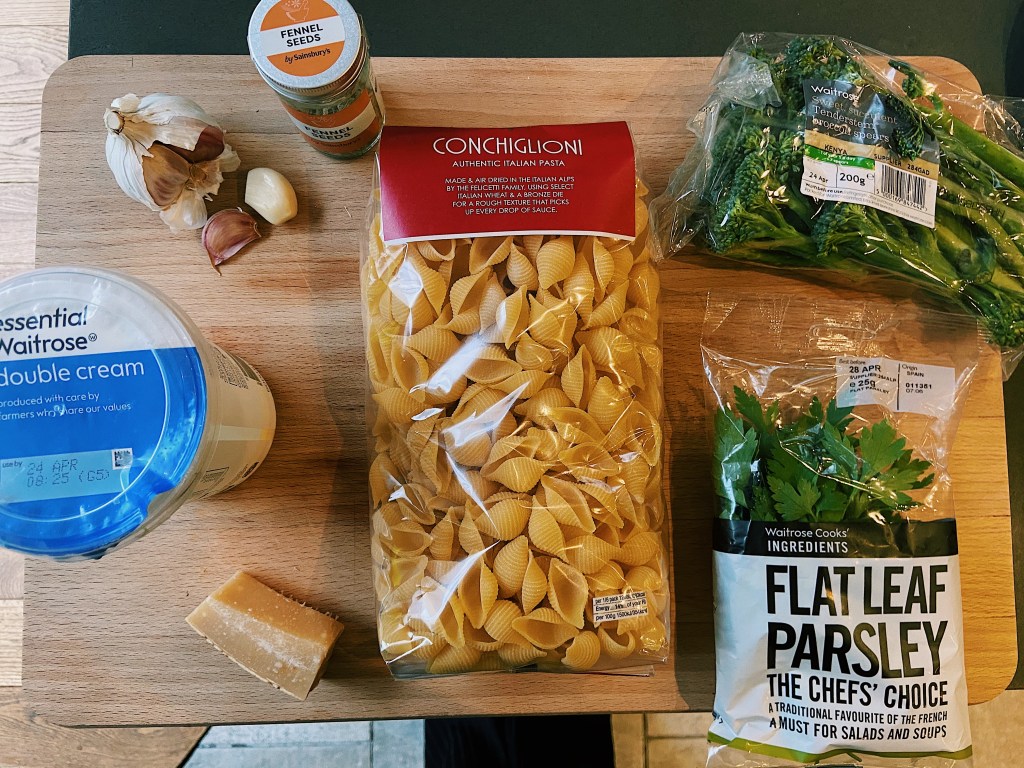
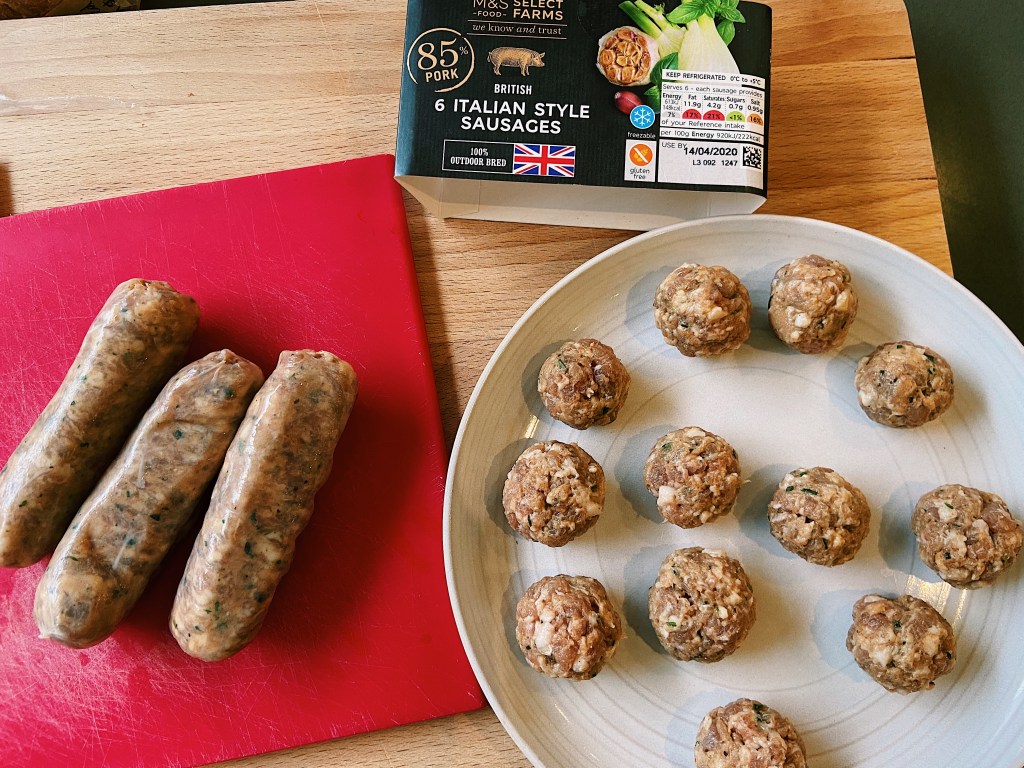
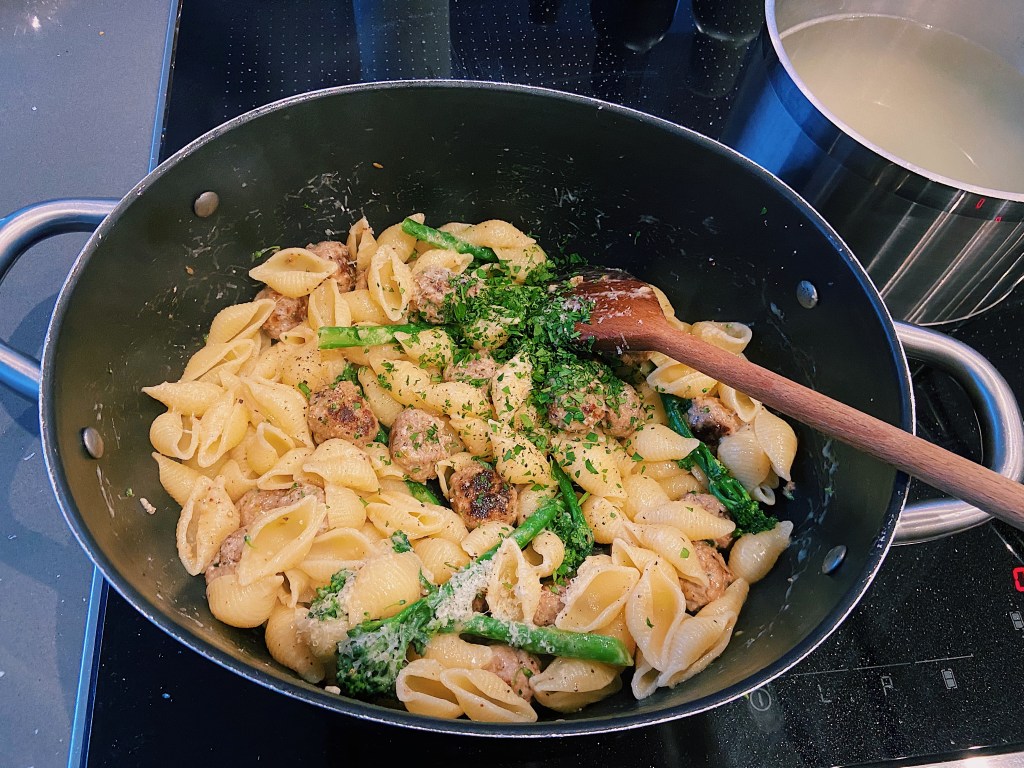
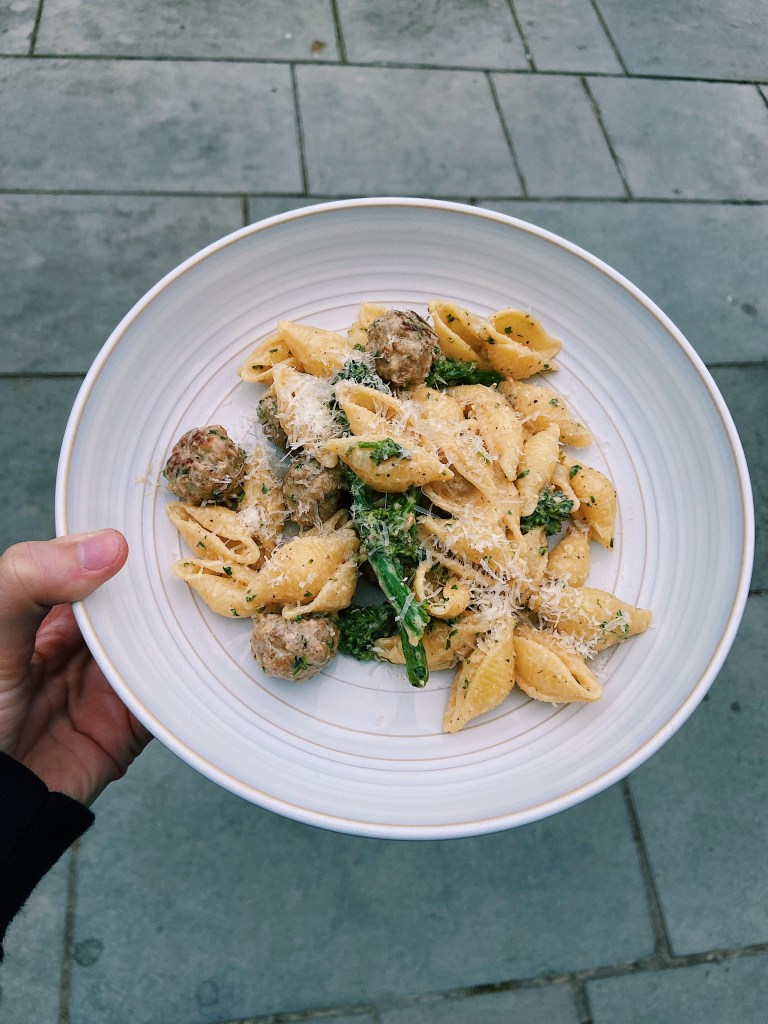
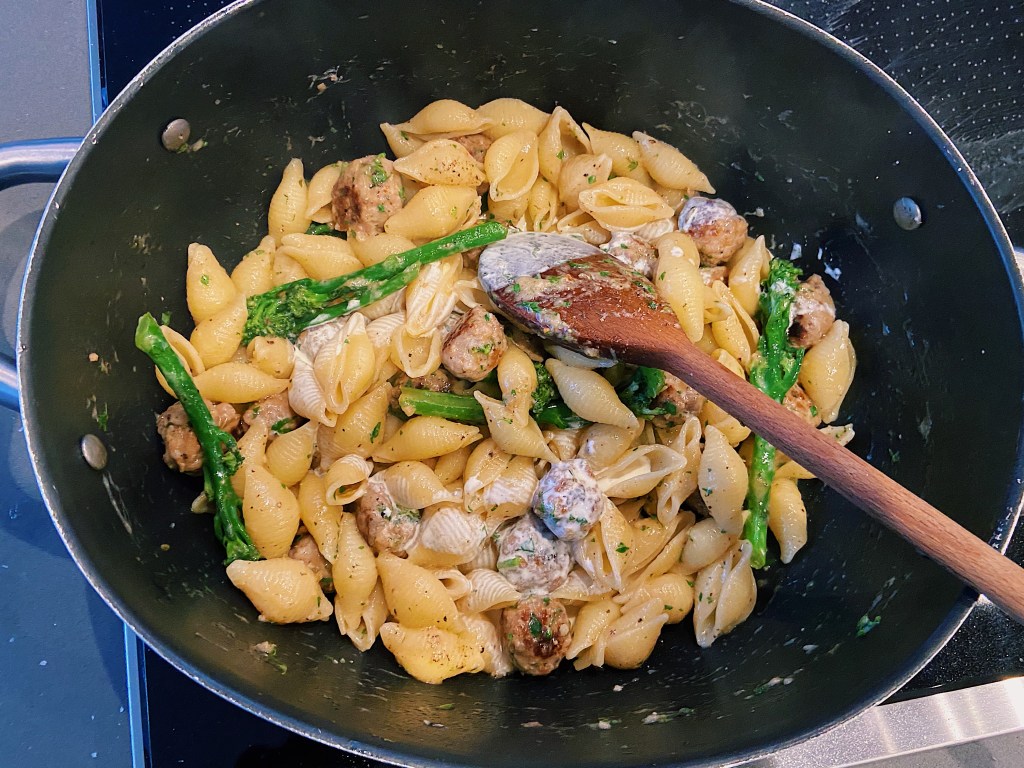
I won’t get into a whole thing about which pasta shape is best (obviously fusilli) but with this recipe you can honestly use whatever’s on your pantry shelves. However, I would recommend smaller shapes rather than the longer linguine or spaghetti as it will lend itself better to the bitesize meatballs. I have chosen conchiglioni here as the wells on the insides of the shells pool the sauce and allow for yummy bursts of cheesy goodness. Dried pasta is also brilliant for this dish as it cooks more al dente (a.k.a. the pasta still has a bite to it) than fresh pasta. 

Other alternatives for the recipe include asparagus or fine green beans instead or as well as the tenderstem broccoli. You could also replace the Italian style sausages (which as far as I know are only available in M&S) with other sausages you have instead but try not to add in another strong flavour like a caramelised onion sausage as you want the fennel flavour to shine. I use these Italian style sausages in the recipe as one, we always seem to have a pack in the freezer, two, the fennel flavour in the sausage really compliments the fennel seeds and three, they are just generally darn delicious. 

To make this recipe a tad more vegetarian or vegan friendly you could easily do this without the meatballs, instead using tinned cannellini beans or just doubling up on the veg, and leave out the cream as the seasoned pasta water homogenises the sauce and coats the pasta beautifully all on its lonesome. Give the below recipe a go and start using up your dried pasta from the pantry any which way (hopefully readily available in all shops now after everyone’s penne panic a few months ago). 

Conchiglioni with Fennel Sausage Meatballs and Tenderstem Broccoli

Serves 4

Ingredients

  • 2 tbsp olive oil
  • 400g pack of Italian style sausages (available in M&S)
  • 150g tenderstem broccoli, ends chopped
  • 320g dried conchiglioni pasta 
  • 2 garlic cloves, crushed
  • 1/2 tsp fennel seeds
  • 50g grated Parmesan (with extra to serve)
  • Handful of fresh parsley, chopped
  • Splash of double cream 
  • Salt 
  • Pepper

Method

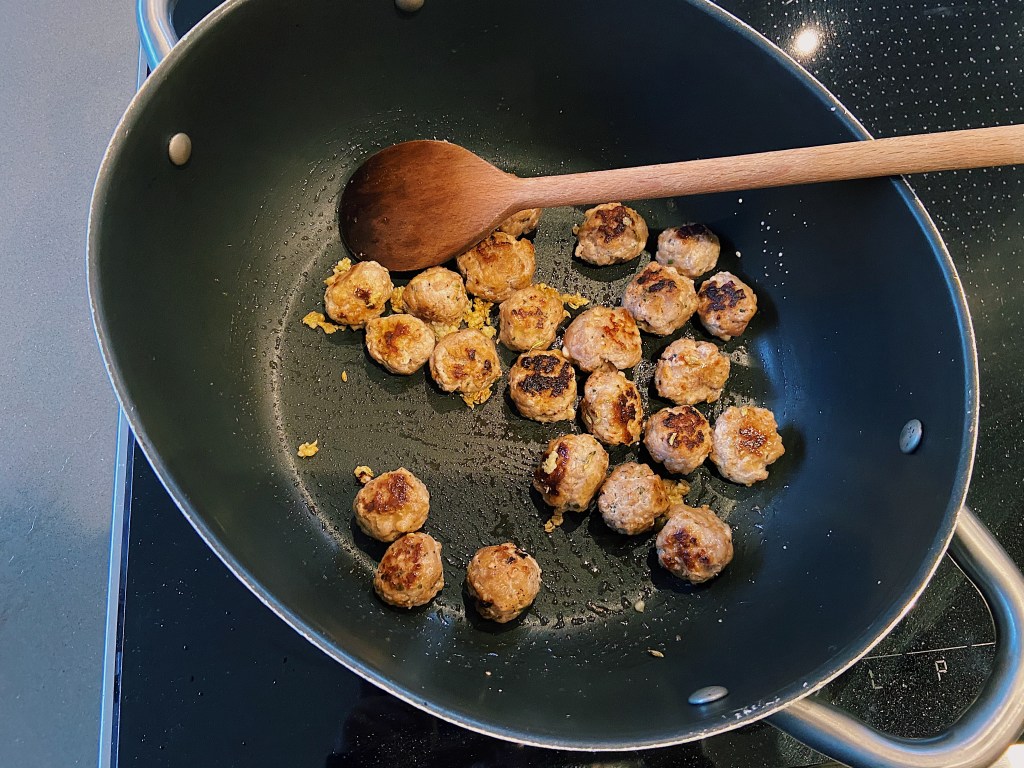
  1. Remove the sausage meat from the skins and shape into small balls (around 3cm). Heat 1tbsp of the oil in a medium sized frying pan on a medium high heat and brown the fennel sausage meatballs on all sides. Remove from the pan and set aside on a plate. 
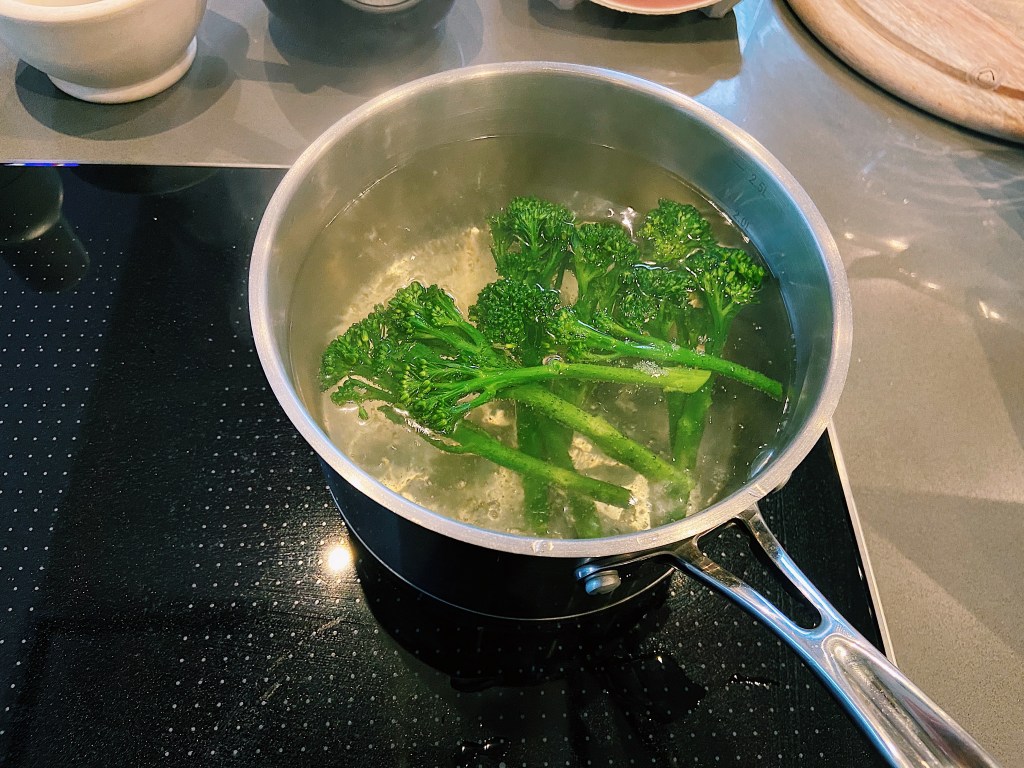
  2. Heat a large saucepan of salted water until boiling. Add the broccoli and lower to a simmer. Cook for 2 minutes. After 2 minutes, remove from the water with a slotted spoon and drain on kitchen paper. Set aside. 
  3. Add your dried pasta to the same pan of simmering water and cook for around 10 minutes or per packet instructions. 
  4. While the pasta is cooking, heat the remaining tbsp of olive oil in a large frying pan. Add the crushed garlic and fennel seeds and cook for around 1 min, stirring constantly so the garlic doesn’t stick or burn.
  5. Add the sausage meatballs back to the pan and cook, coating in the garlic and fennel seed mixture, for around 2 minutes. Then add the broccoli to the pan and stir.
  6. When the pasta is perfectly al dente remove with a slotted spoon and add straight to the pan with the meatballs. 
  7. Add the grated Parmesan, chopped parsley, double cream, a pinch or two of salt if necessary, a good few cracks of the black pepper mill and a spoonful or two of the salted pasta water to bring the sauce together and coat the pasta. 
  8. Top with more grated Parmesan if desired (and who doesn’t desire it?) and serve with a smile. 

Pieces from the Pantry .1

Noodles

Welcome to my new series on the blog: Pieces from the Pantry. During lockdown and isolation, it seems more and more of us have been rediscovering, or maybe even discovering for the first time, the kitchen. While there are many reasons for this sudden desire for us all to become culinary maestros (boredom, restaurant closure and just generally having more time on our hands and for our bellies to grumble), whatever the reason I think it is brilliant. 

Having always been a champion of home cooking, I believe the brilliance of it is the simplicity and accessibility of ingredients. And what ingredients are more accessible than the ones in our pantries? The tins of tomatoes, cococnut milk, beans, pulses, dried pasta and canned vegetables. In this series, each week I will be taking a store cupboard staple and inspiring you with a recipe (or at least attempting to). Using up our store cupboard staples means we can go to the supermarket less and partake in less food waste. There is always a tendency to ignore and take for granted the ingredients we always have in the cupboard only for them to be rediscovered, years later, shrouded in dust with the best before date of 2014 just visible on the side.

This week’s star of the blog post is (drum roll please) noodles. We all in some form or another have some packets of noodles tucked away in our cupboards; be they udon, rice vermicelli or your classic medium egg noodle. While there are many ways of using noodles in soups or broths (see your ramens and your phos) the king of all noodle dishes has to be the stir fry. 

Stir fries are the perfect dishes to be cooking up in your kitchens at the moment, seamlessly applying to the “just use whatever we have in the fridge” mantra. My recipe detailed below while calling for some ingredients as essential definitely has room for your creativity. When it comes to the vegetables in the stir fry and the choice of noodles just use whatever you have in your fridge and pantry. You could easily add some baby sweetcorn, mange tout or some pak choi to your stir fry in place of some of the vegetables I have used and soften some rice noodles in boiling water instead of cooking the medium egg noodles in a pan of boiling water. 

If you’re veggie feel free to replace the salmon with some tofu or, if you have some chicken or steak that is lying uninspired in the freezer then take it out and use it. If you are changing the protein I would recommend marinating it for longer than the 2 hours recommended for the salmon as the fish can be a delicate flavour in comparison to red meat like beef. 

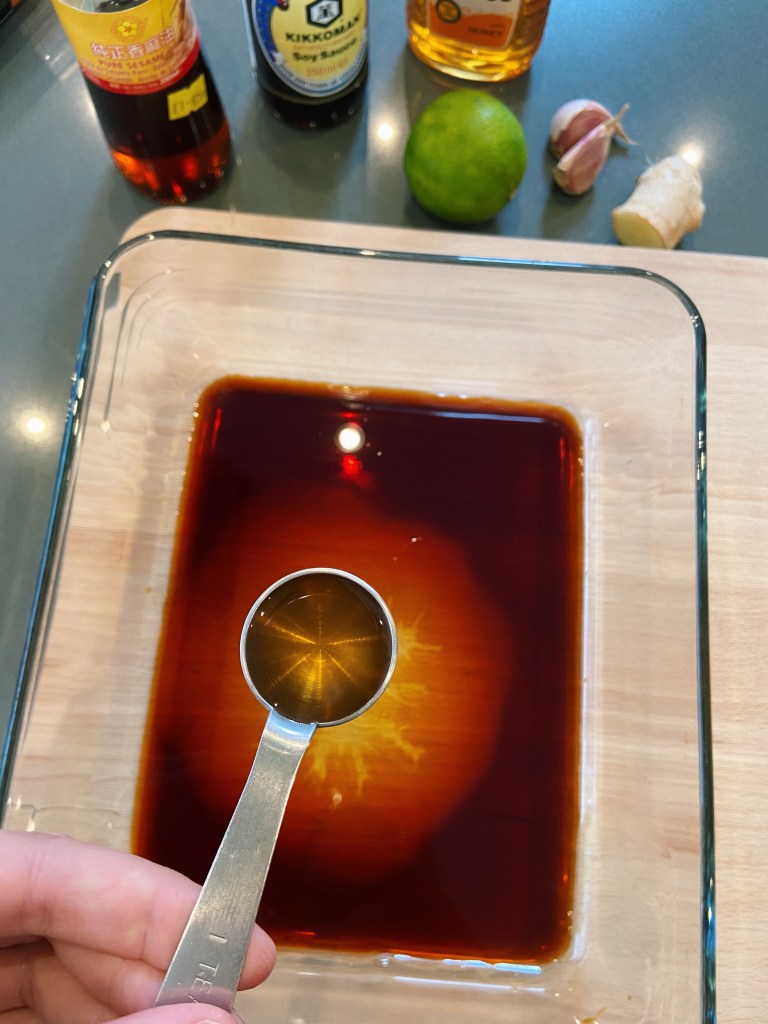
Contrary to the malleability of the fresh ingredients and noodles in this recipe I would recommend sticking to the ingredients for the marinade as it results in a well-balanced sauce. If you don’t trust my word for it then give the recipe a go and post a picture on your story and tag me in it @erinss_eats. For the marinade I tried using other ingredients I thought would be regulars in everyone’s cupboards such as soy sauce and runny honey. Traditionally, mirin (rice wine) is used to sweeten teriyaki sauce but I fancied this would not be a regular resident of the everyday pantry shelf. The honey works to add the necessary sweetness to the salty soy sauce-ified teriyaki marinade and the lime adds the all-important although often forgotten freshness to the dish. 

Teriyaki Salmon with a Vegetable Noodle Stir Fry

Serves 4

Ingredients

  • 1 tbsp vegetable oil
  • 4 salmon fillets
  • 5 tbsp soy sauce
  • 3 tbsp runny honey
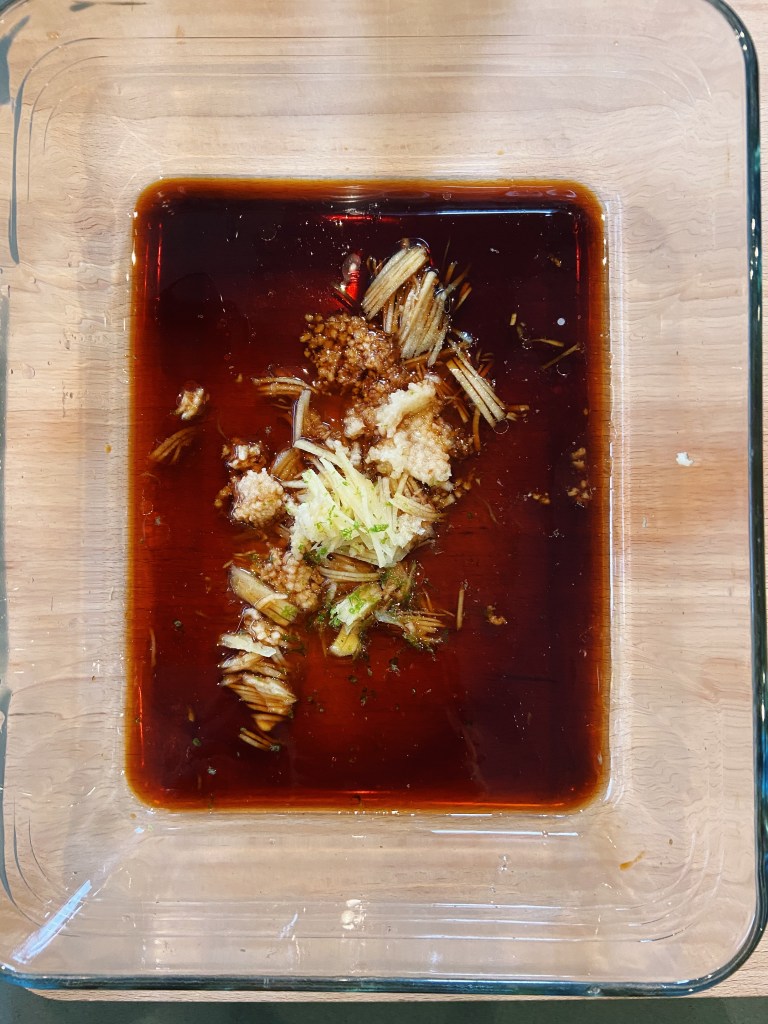
  • 4cm piece of fresh ginger, julienned (a.k.a. cut into matchsticks)
  • 2 garlic cloves, crushed
  • Zest and juice of ½ lime
  • ½ tsp sesame oil, optional

For the stir fry

  • Medium egg noodles 
  • 1 tbsp vegetable oil
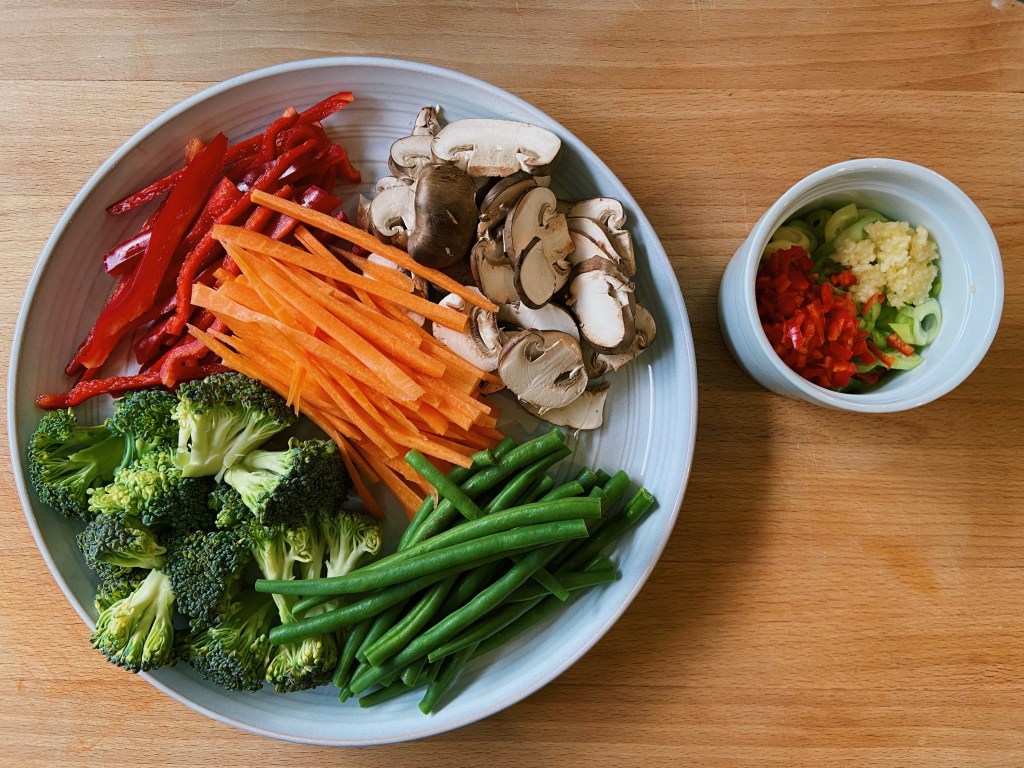
  • 1 red chilli, finely diced
  • 1 garlic clove, crushed
  • 4 spring onions, sliced 
  • 1 carrot, julienned
  • 1 red pepper, finely sliced
  • ½ broccoli, cut into florets
  • Handful of green beans, topped and tailed
  • Handful of mushrooms, sliced
  • 2 tbsp soy sauce
  • 1 tbsp fish sauce, optional

Method

  1. Place the ingredients for the teriyaki marinade in a glass dish or bowl and stir until the honey has dissolved. Place the salmon fillets in the marinade. Leave in the fridge for up to 2 hours. After a couple of hours marinating take the salmon out of the fridge, set aside and make your stir fry. 
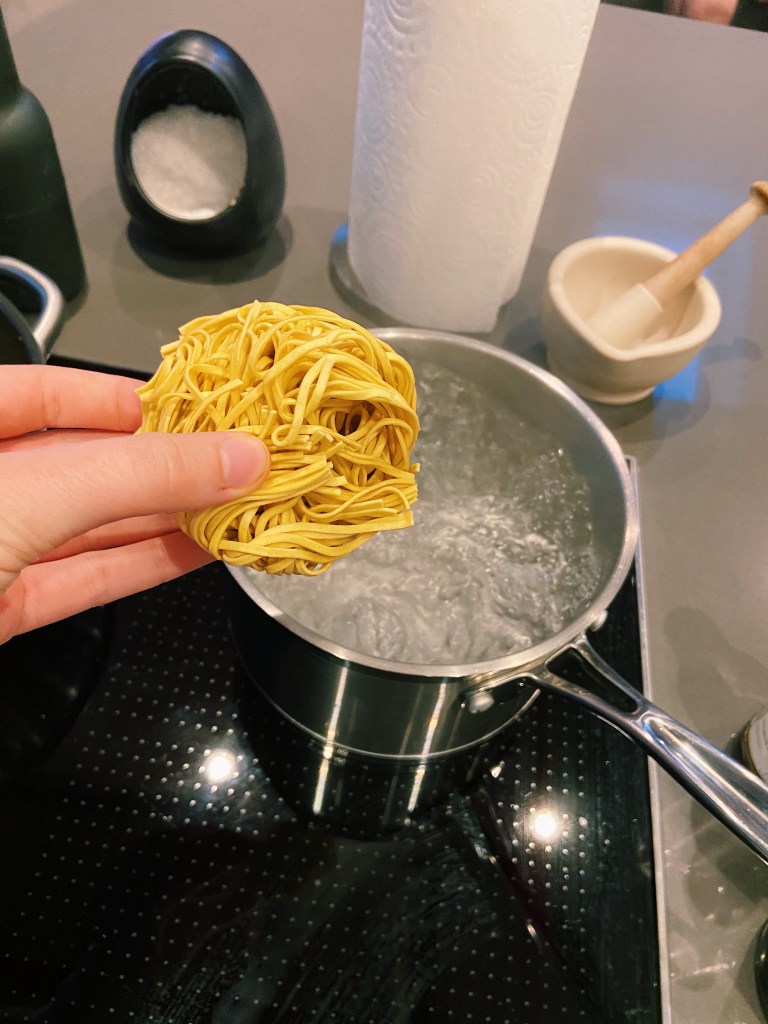
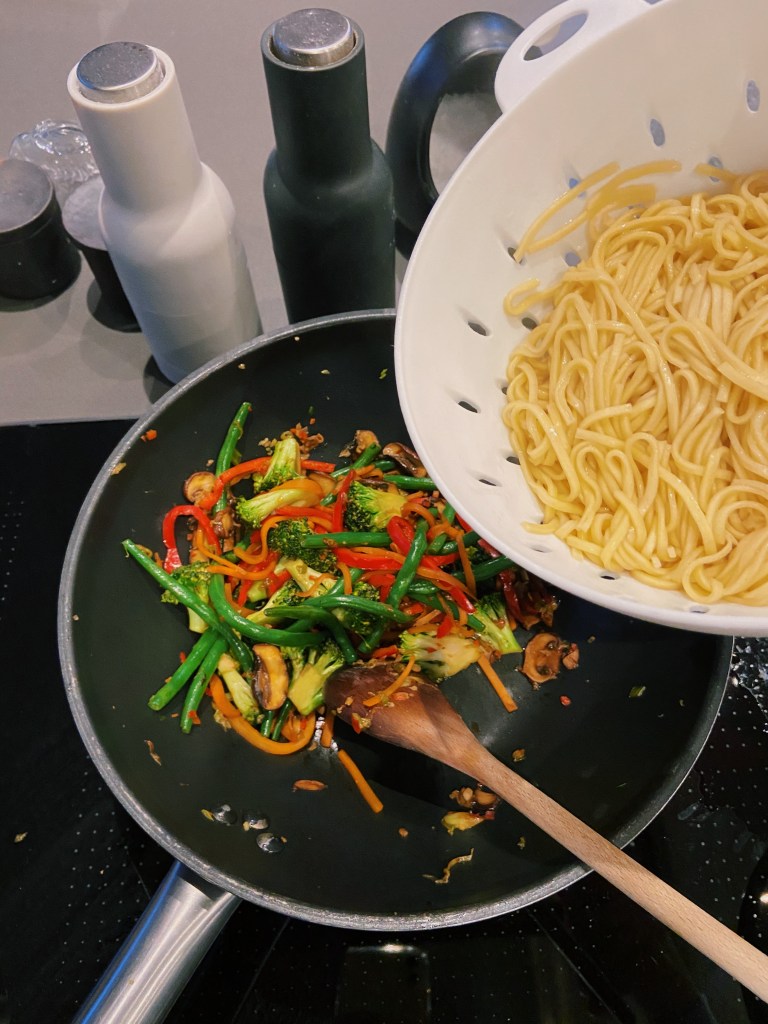
  2. Bring a large pan of water to the boil and then add your noodles. Turn the heat down to a simmer and cook the noodles following packet instructions (usually around 5 minutes). Drain.
  3. While the noodles are cooking. Heat the oil in a wok on a high temperature. Firstly, add the chilli, garlic and spring onions and cook for a minute until fragrant. Then, add your vegetables and cook for around 5 minutes stirring occasionally, allowing for some charring. Add the soy sauce and fish sauce (if using) then stir in your noodles. Keep the stir fry warm while you cook the salmon.
  4. Heat the vegetable oil in a large frying pan on a medium high heat. When the pan is hot, add the salmon skin side down, reserving the marinade, and cook for 3 minutes. 
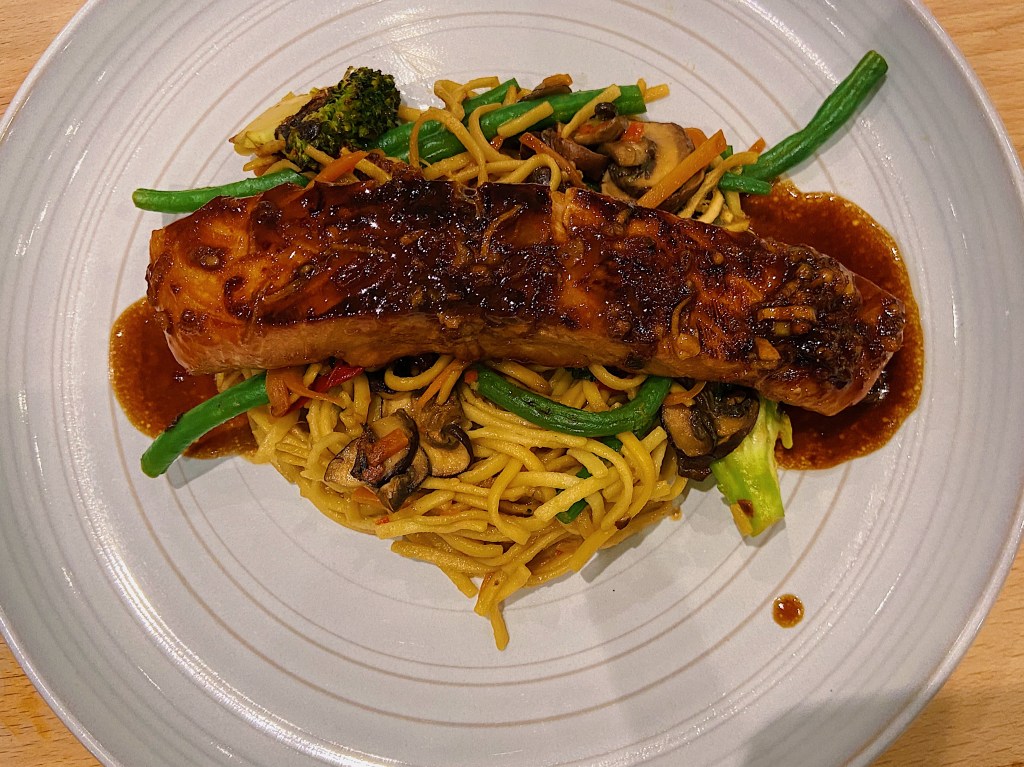
  5. After 3 minutes pour in the marinade and turn the fillets. Cook for another 3 minutes basting with the sauce so the salmon has an even coating, doesn’t go dry and the sauce thickens.
  6. Serve the salmon fillets hot on top of a bed of the vegetable noodle stir fry and spoon over some sauce. Dig in.

The benefits of meal planning and prepping

Prep yourself before you wreck yourself.

Are you, like me, continually asking the ever-important question: what’s for tea? If so, I may have the solutions to our mind’s constant foody diversion: meal planning and prepping. 

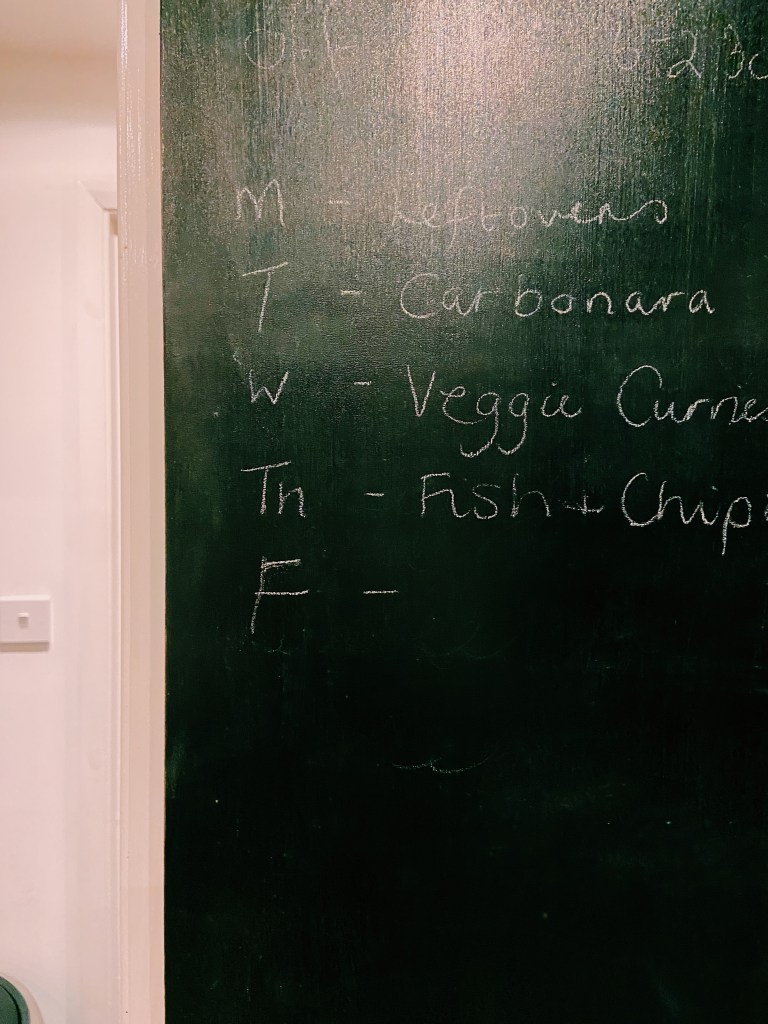
Meal planning. This process can be defined as deciding what’s for each day’s breakfast, lunch and dinner for the week and buying the ingredients in one big shop and then cooking each night. A la Craig David: I ate this curry on Monday, had some spag bol on Tuesday, we were making stew on Wednesday, and on Thursday and Friday and Saturday, leftovers on Sunday. Meal prepping. This process on the other hand consists of meal planning first but instead of cooking each night of the week, once the ingredients have been bought you cook a batch of lunches and dinners for the week on a designated day and separate them into containers ready to eat. 

The Lawler’s mini meal pan

I understand that in our current situation of lockdown it may prove difficult to plan meals as you may not be able to get all the ingredients in the supermarket but, think of this as a chance to be a bit creative and to make do. You can’t get mince beef? Try mince lamb or some Quorn mince instead. I do however think that more planning and prepping will stop people panicking about the amount and kind of food they need to buy and in turn buying more than their share. As we have seen this can result in unnecessary waste and those less fortunate, vulnerable groups and essential workers missing out. Planning/prepping the week’s meals will mean you only need to go to the supermarket once therefore lessening your contact, ensuring you buy only what you need and lessening any waste.

You may be thinking well this seems like a whole lot of work when you could just whip up something quick on the night with what’s left in the fridge (otherwise known as a rustle up for fans of Best Home Cook), buy a ready meal or stick some chicken and chips in the oven. These options may work for some and they have their place on occasion but I advocate planning your meal times for five reasons: healthier, cheaper, time reliever, de-stresser and ante food waster. 

Healthier.

I believe home cooking is always best when it comes to healthy eating. You know exactly what produce has been used and ingredients have gone into the dish you have created and thus what you are putting into your body. When planning your weekly menu, you can ensure that each meal is rich in fibre, protein and essential nutrients. Cutting out some (it doesn’t have to be all) processed and ready-made foods cuts out unnecessary additives and chemicals.

Cheaper.

Some of you may think that fresh produce is more expensive than ready-meals as the quantity of food you are buying to cook a meal in comparison to buying just one ready meal is much more. However, we need to put these prices to the test in a mealtime context. Let’s take macaroni cheese, an American classic and ready meal staple, as an example. A Sainsbury’s macaroni cheese ready meal costs £2 and feeds one person (prices taken from Sainsbury’s website). Alternatively, a 500g pack of macaroni costs 60p, Sainsbury’s mature cheddar costs £2, you would need a splash of milk (a pint of semi skimmed milk costs 55p), a couple spoonsful of flour (Sainsbury’s 500g bag of plain flour costs 55p) and a knob of butter (250g salted butter costs £1.55) to make a macaroni cheese dish for 4 people. If we crunch the numbers here this comes to a total of £5.25 to feed 4 people or, £1.30 each. Cheaper with the considerable possibility of leftovers.

Time reliever.

I will grant you this: heating up a ready meal in the microwave will take significantly less time than cooking a homemade meal. However, the time I am referring to in this section isn’t the time it takes to cook the meal but more the time wasted spent thinking about what to cook, what to buy and going to the supermarket every day or every other day after work. The time you save by planning your meals and avoiding the above can be better spent finally fixing that thing in the house that’s been bothering you or just taking the time to do nothing at all and practice some all-important self-care.

De-stresser.

Not only does thinking about what’s for tea take up time but it also takes up head space and can consume your thoughts. Planning and/or prepping meals can alleviate a lot of stress especially for those with big families or large groups to cook for. For those who don’t like to cook (madness) meal prepping is a great option as you will have to face half a day to a day of your kitchen nightmares (not Ramsay’s) in order to experience 6 days of pure kitchen avoiding bliss. 

The mental health charity Mind have a page dedicated to the effect that food can have on your mood. On their page is a short and really helpful video with tips about how to eat well to help your mental health. The first tip in their video was to eat regularly and how better to ensure this happens than meal planning, knowing what your three meals a day will be and ensuring that you have enough food and ingredients to make them.

Ante food waster.

Prepping meals and freezing batches or cooking your planned meals in the week and freezing any leftovers can assure that less food is wasted. When you’ve stocked the fridge with a selection of homemade curries, chilli or fish pies then you can start adding leftover days to your weekly meal plans or have a stock just in case you need to isolate for any reason. 

With all your shopping allocated to a meal this should hopefully avoid the age-old tale of leftover carrots going bendy at the back of your vegetable drawer. If you do have leftover produce then no need to worry, just allocate one dinner in your next week’s meal plan to using it up. 

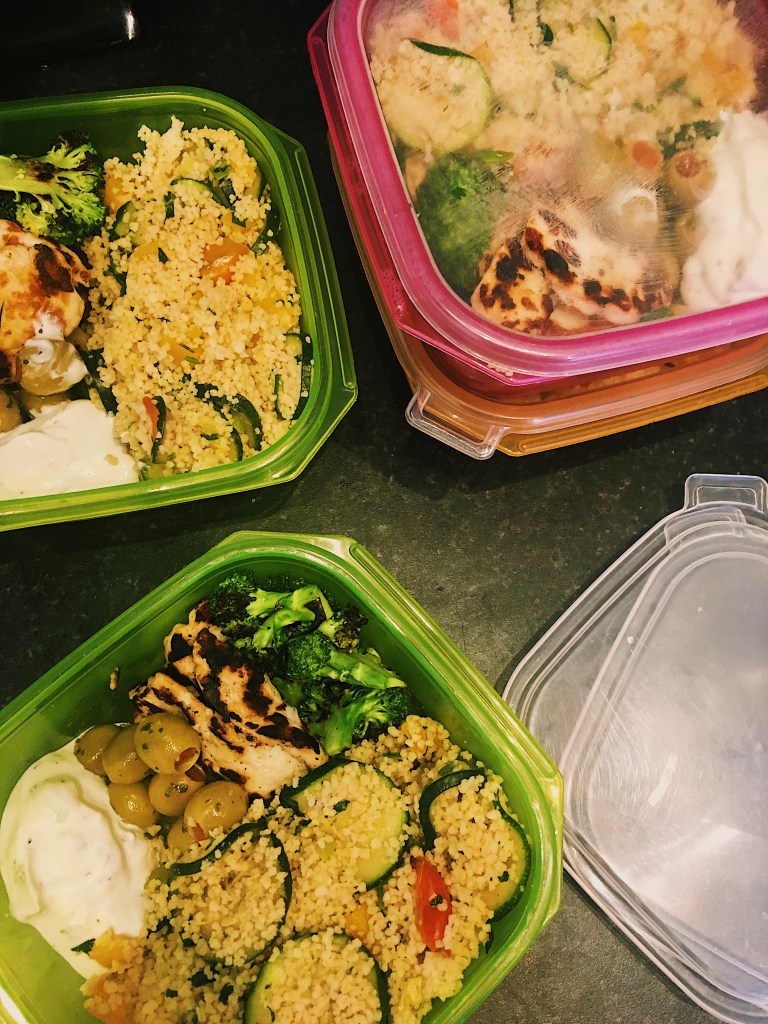
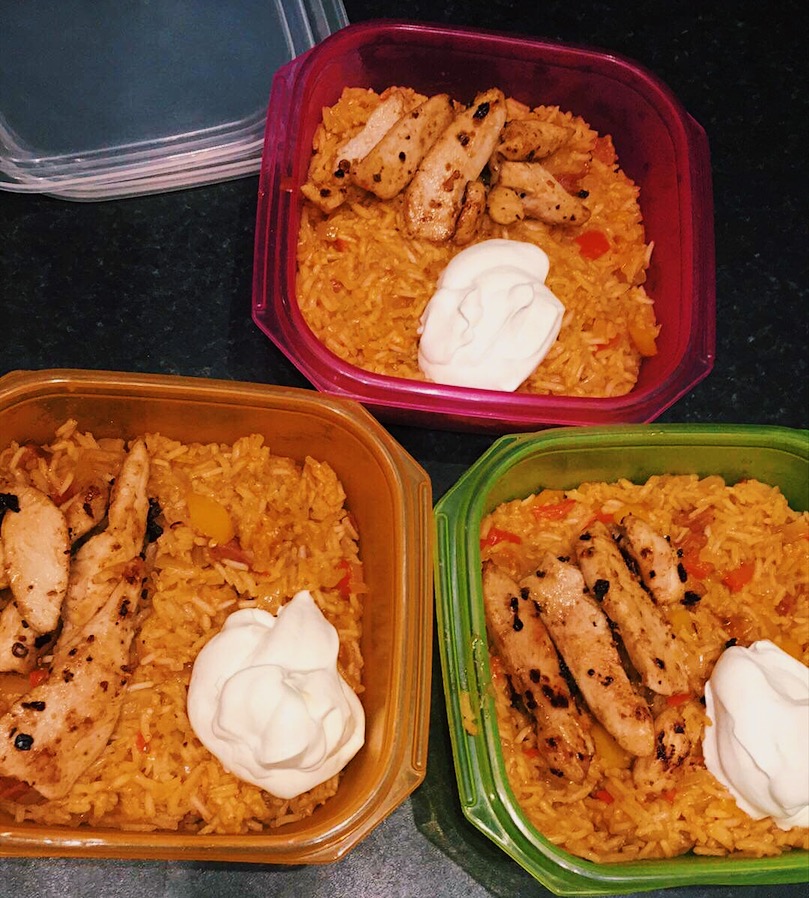
Don’t think of meal planning and prepping as rigid structures but instead you can mix and match how much prepping you do along with your planning. My tactic in university was to plan all of my meals but only prepare my lunches in advance so I still had my form of escapism in the kitchen after a long day in the library. Some of my favourite lunches to prep on a Sunday with a Marvel film blasting in the background were meze style pots with vegetable couscous, olives, grilled halloumi, charred broccoli and a dollop of tzatziki or this amazing recipe my mum found for Mexican style rice with added chorizo, chicken and a dollop of sour cream. 

Meal planning and prepping can be different for everyone. It may mean jotting down ideas or recipes that tickle your fancy as the week goes on or sitting down one afternoon and trawling through websites and recipe books to get a finite plan under your belt and then doing your one big weekly shop. It could mean starting off by just planning your dinners for the week and not the other two meals or just planning 3 or 4 days at a time. I would recommend you even plan when you won’t cook, there’s no harm in allocating a takeaway or leftovers day. However it looks for you I would urge everyone to give it a go!

Design a site like this with WordPress.com
Get started